When the fog freezes: Cordes in the winter

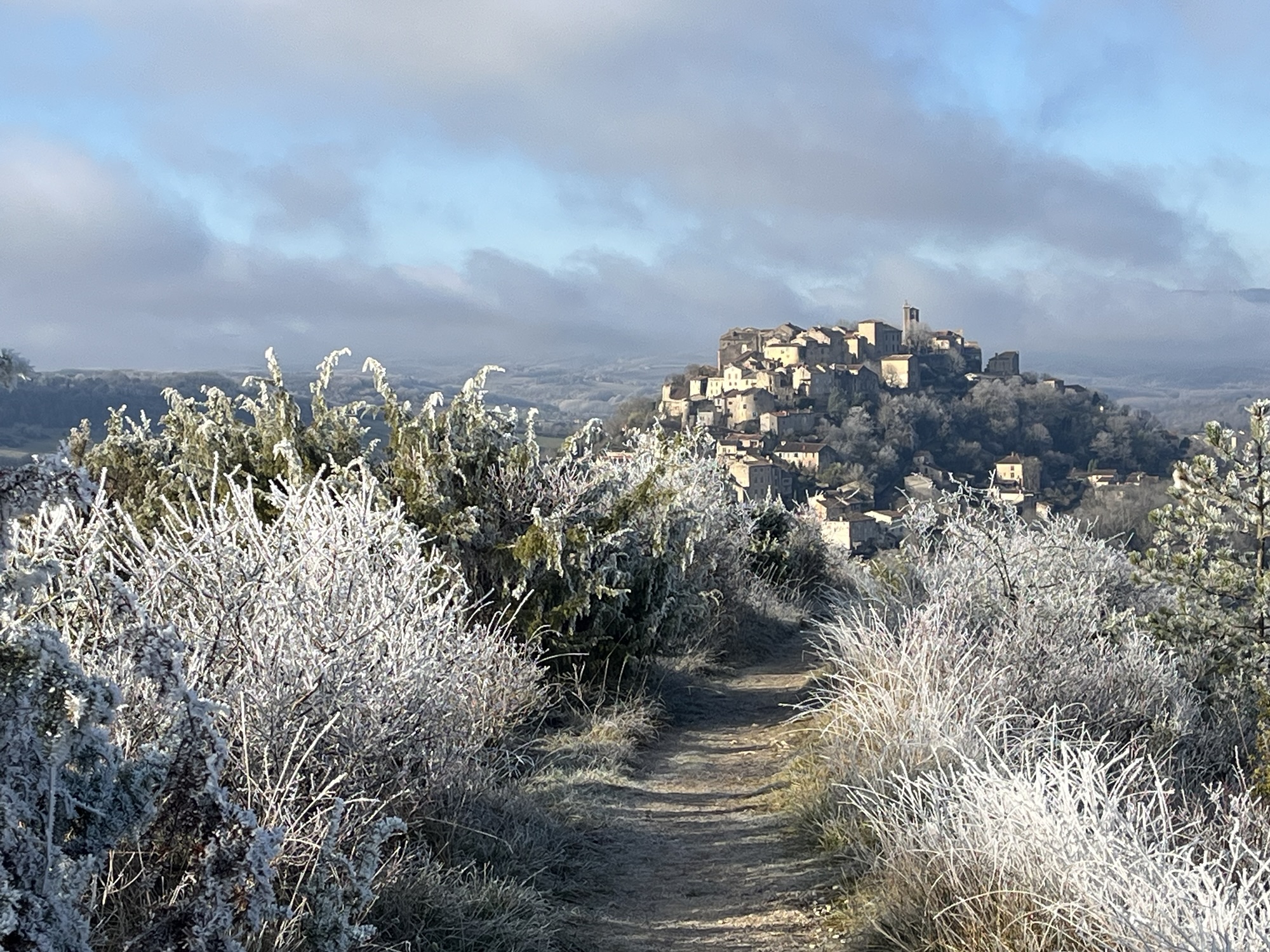
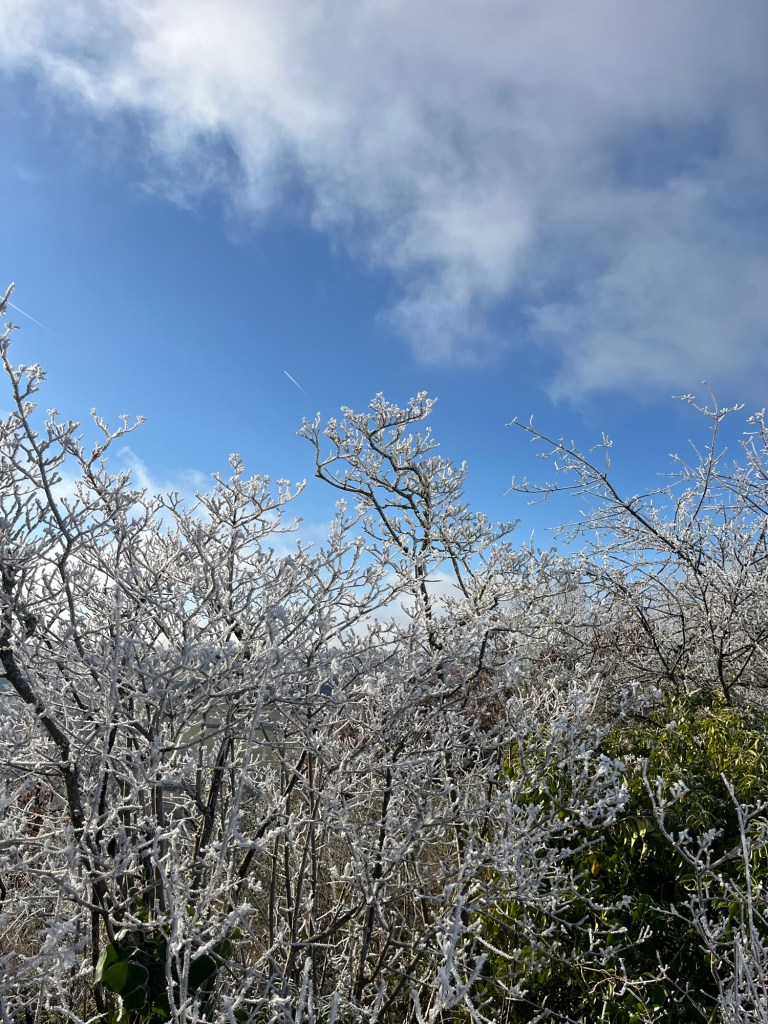
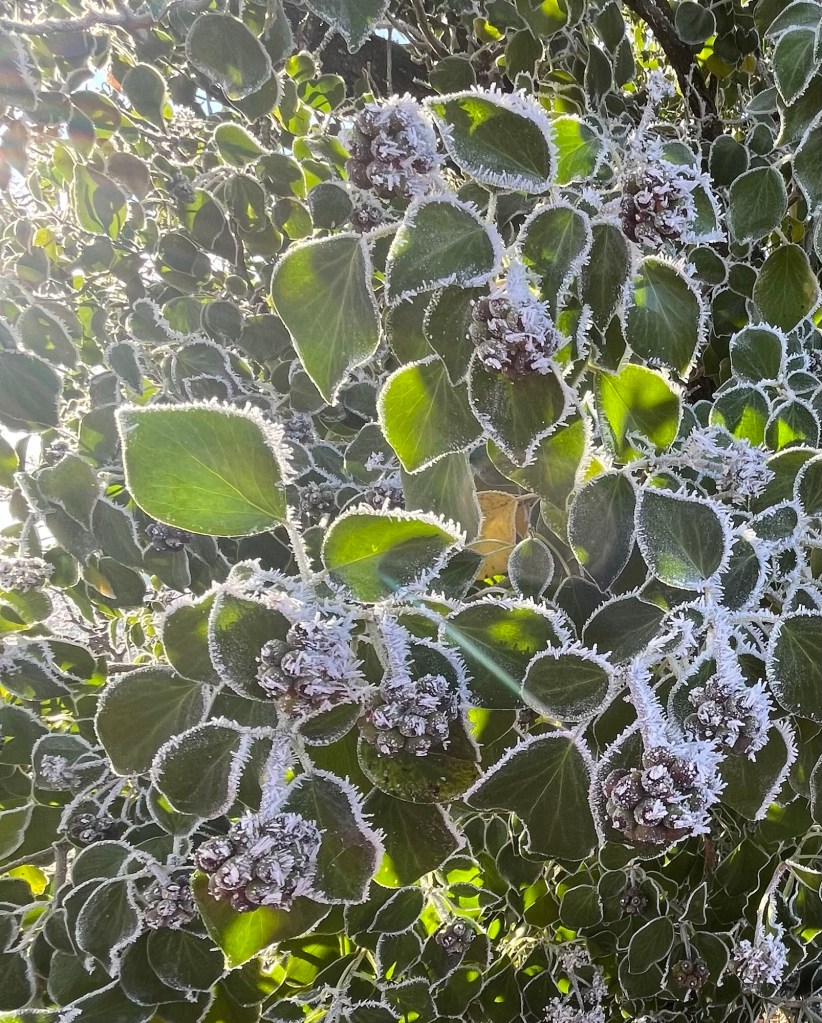
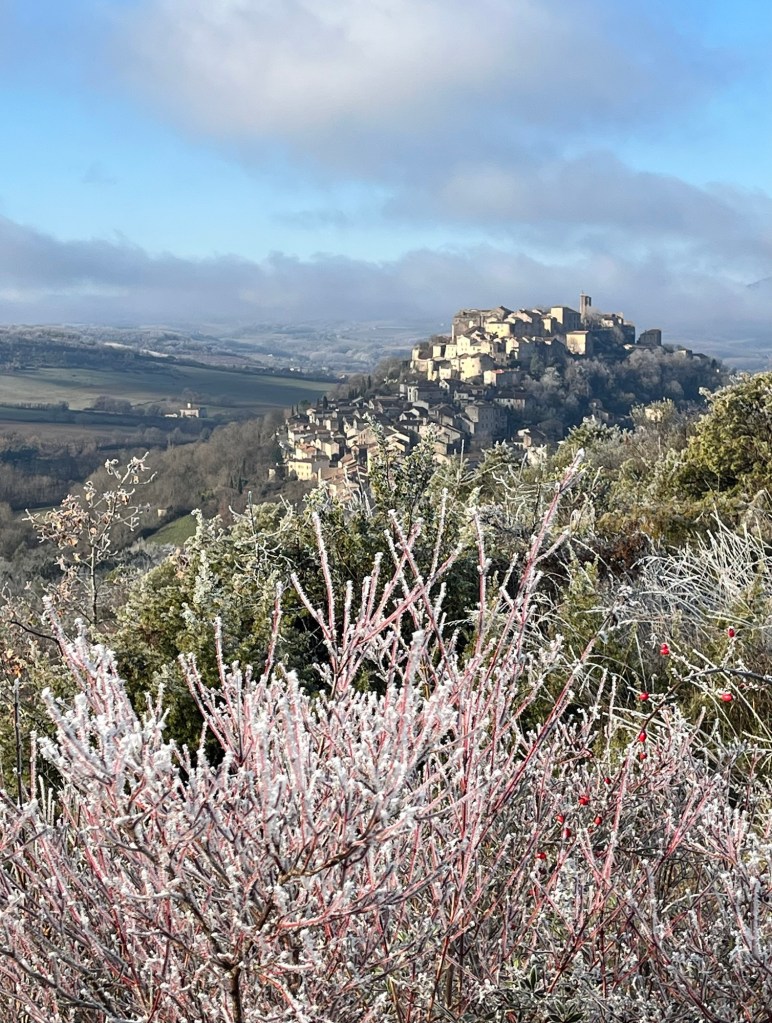
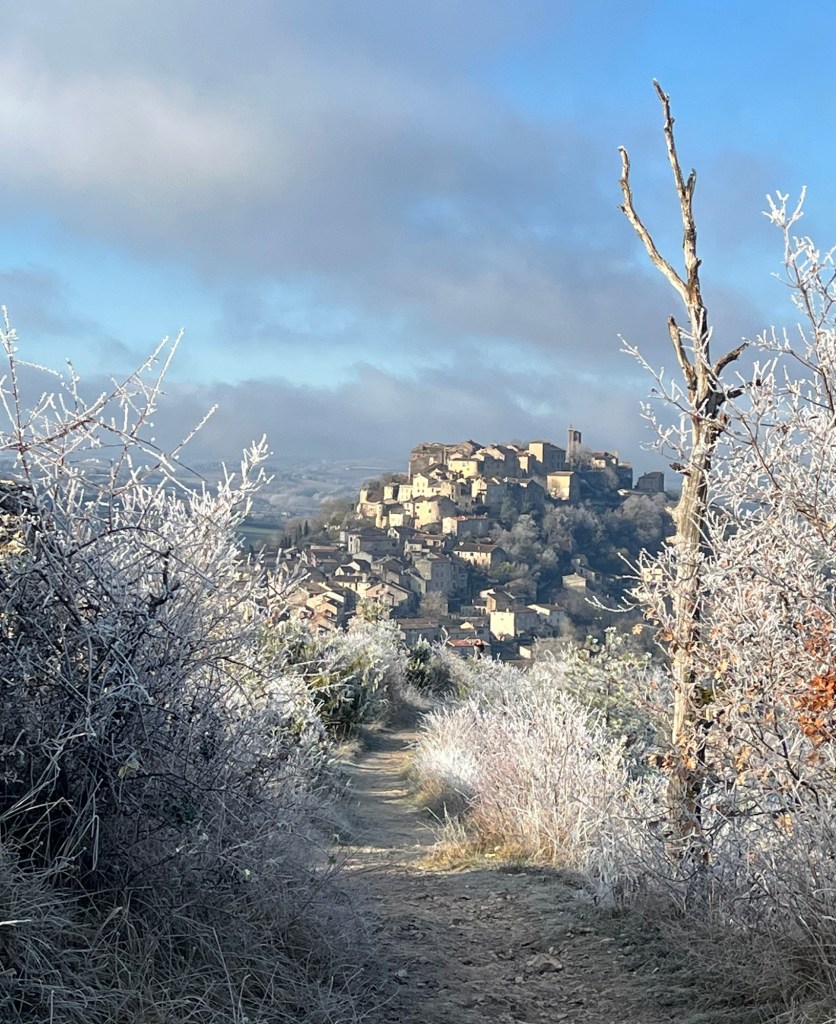
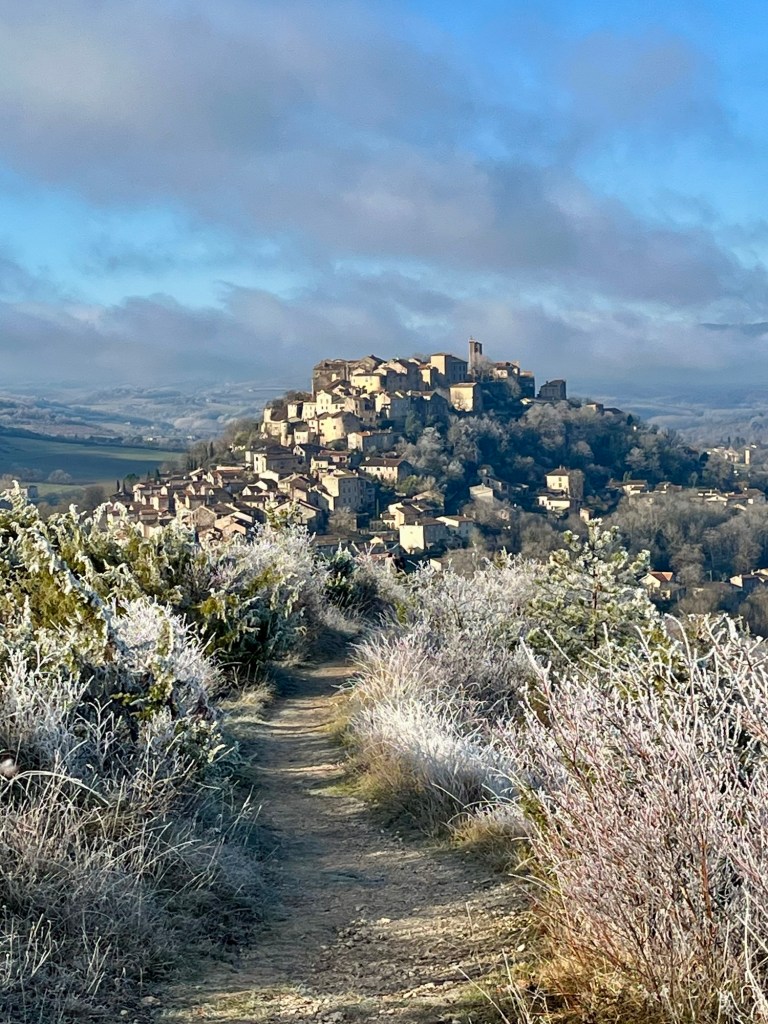
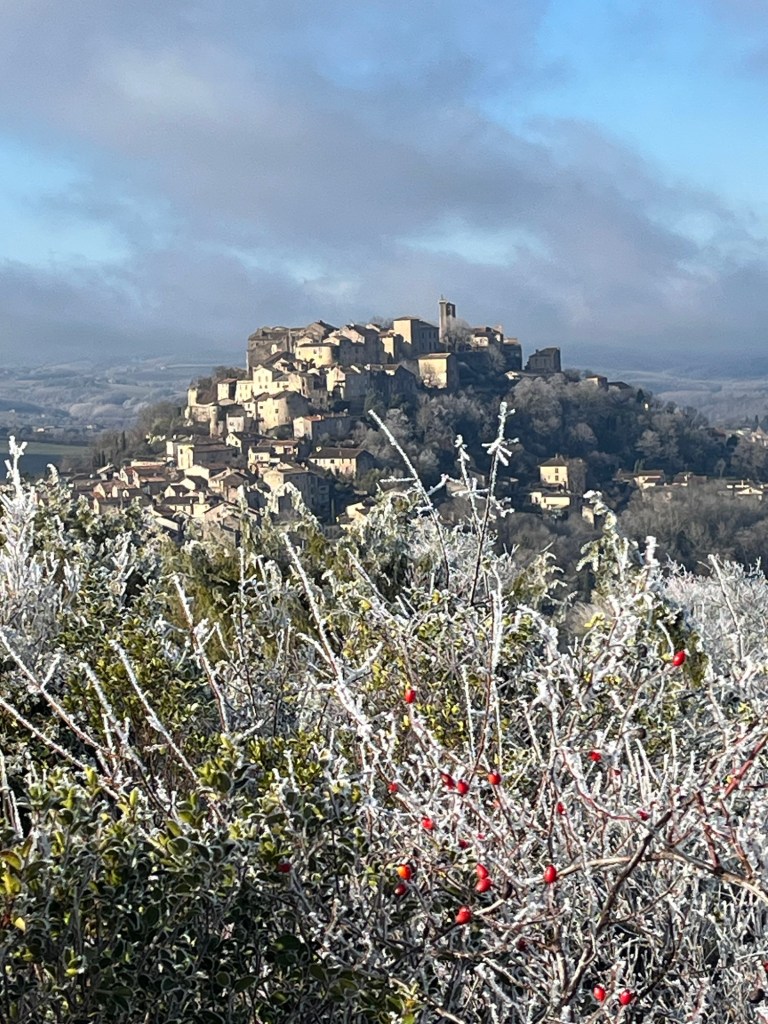
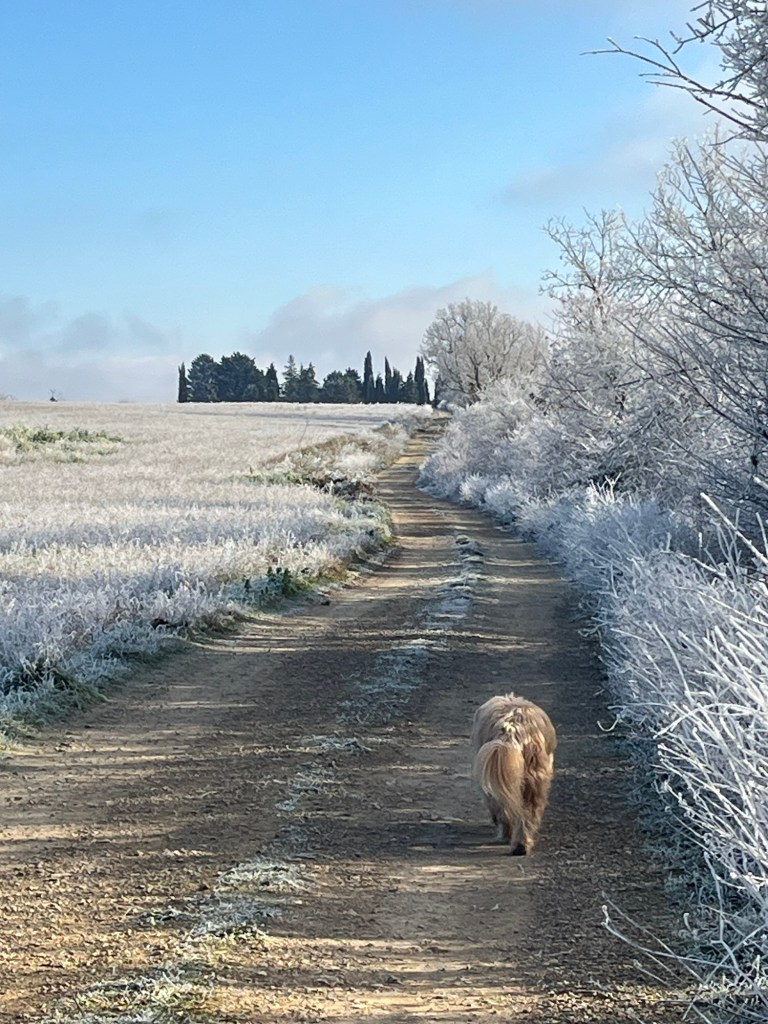
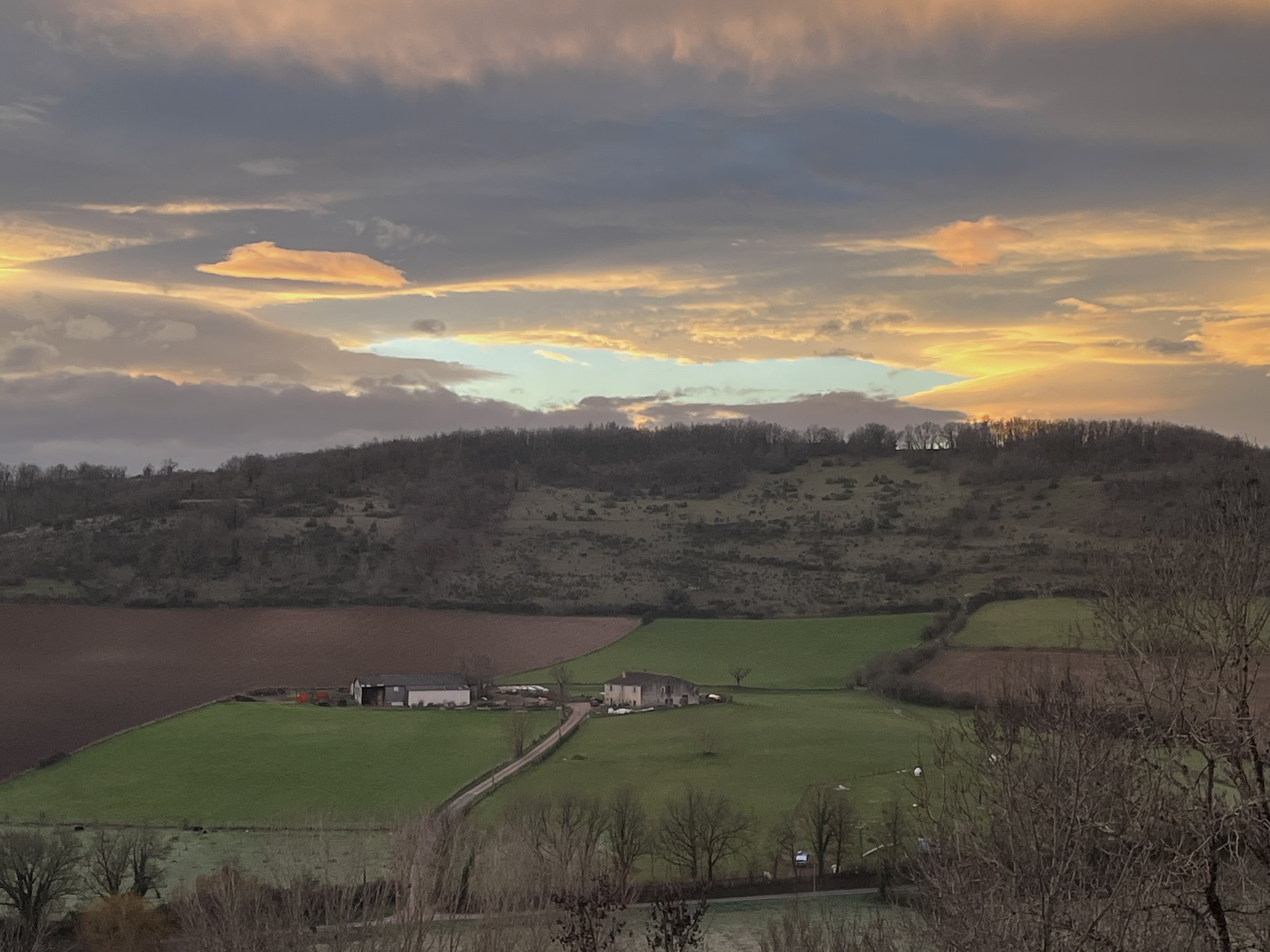
Once in a while, the fog that rises from the valleys surrounding Cordes-sur-Ciel freezes.

Overnight the dense cloud that made driving so difficult the night before becomes a delicate crystalline web, clinging to the edges of every leaf, every branch.

It’s magic.

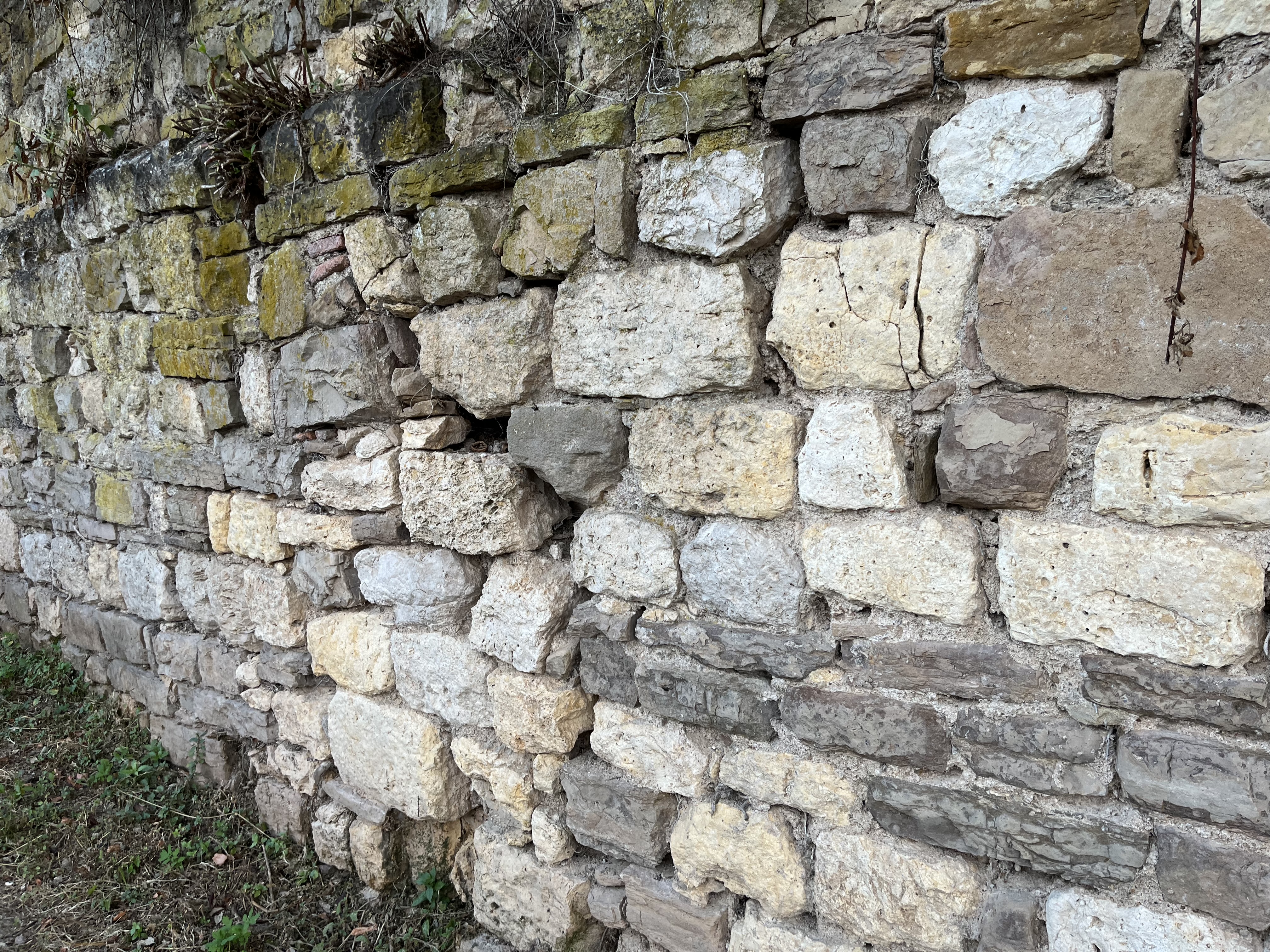
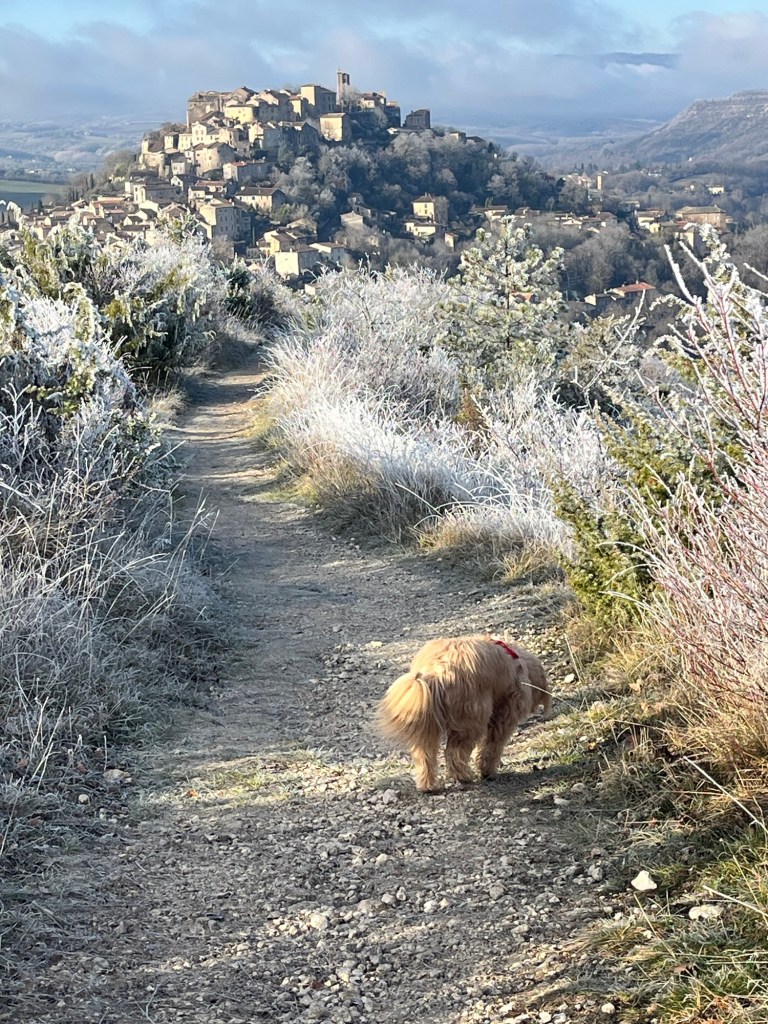
This morning we walked to the le Grain de Sel, the chalky outcropping you can see from our street.

It’s a short but steep climb to walk there from our house, but you can drive up past it and take a flat path too.

Wishing you all a year filled with glimmers of hope, fresh insights, many moments of pure joy and raucous laughter, and at least a few of breathtaking awe.

White stones, a monkey and a crocodile: further reflections on magic in daily life

Des pierres blanches, un singe et un crocodile : autres réflexions sur la magie dans la vie quotidienne

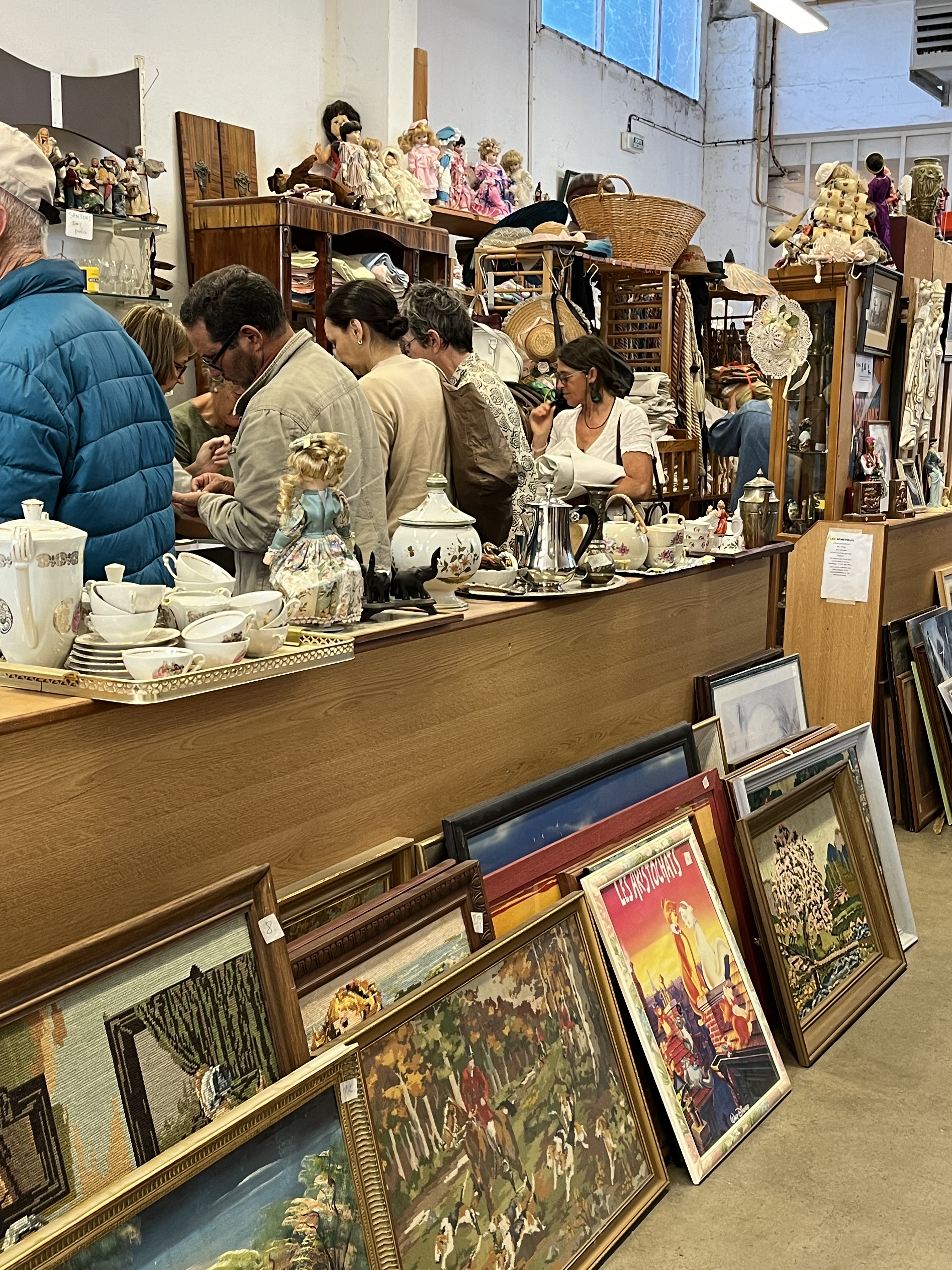
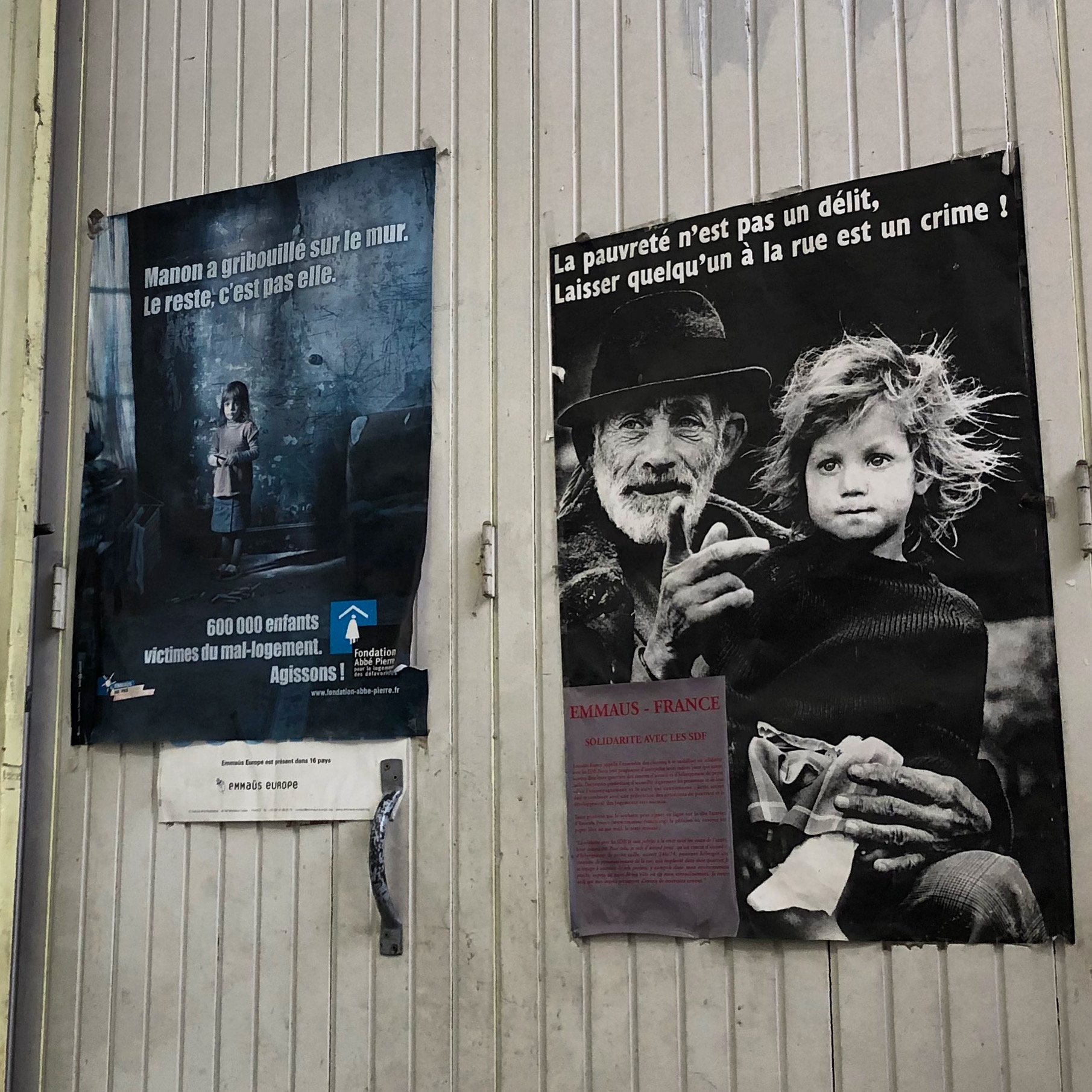
The Friday following the one when the black stones appeared and disappeared, I went back to Emmaüs to see if the person who’d taken them home inadvertently might have brought them back.

Le vendredi suivant celui où les pierres noires étaient apparues puis avaient disparu, je suis retourné à Emmaüs pour voir si la personne qui les avait emportées chez elle par inadvertance les avait peut-être rapportées.

The day began well with a slow drive—our Ami only goes 45km (28mph)—through the hills, lush green with all the rain, while chatting with a friend, Anu, who’s only in Cordes a short time each year.

La journée a bien commencé par une balade tranquille en voiture – notre Ami ne roule qu’à 45 km/h – à travers les collines verdoyantes après la pluie, tout en discutant avec une amie, Anu, qui ne passe que peu de temps à Cordes chaque année. 

It was on our walk to Emmaüs from the car that I made my first mistake. As I was telling Anu about the ephemeral black stones, we passed a woman talking to a couple as she bent over to arrange some white stones in a tray in front of her garage door. We laughed—white stones this week!—and I’m certain I heard the words, “la magie des pierres,” (the magic of stones) but we didn’t stop to hear more.

C’est lors de notre promenade entre Emmaüs et la voiture que j’ai commis ma première erreur. Alors que je parlais à Anu des pierres noires éphémères, nous avons croisé une femme qui discutait avec un couple, penchée pour ranger des pierres blanches dans un plateau devant la porte de son garage. Nous avons ri– des pierres blanches cette semaine !–et je suis certaine d’avoir entendu les mots « la magie des pierres », mais nous ne nous sommes pas arrêtées pour en savoir plus. 

Did I pause to hear more? No.

Me suis-je arrêté pour en savoir plus ? Non. 

The black stones had not been returned to the store. My round table wasn’t there, not was the small carpet for the upstairs landing.

Les pierres noires n’avaient pas été rapportées au magasin. Ma table ronde n’était pas là, pas plus que le petit tapis destiné au palier à l’étage.

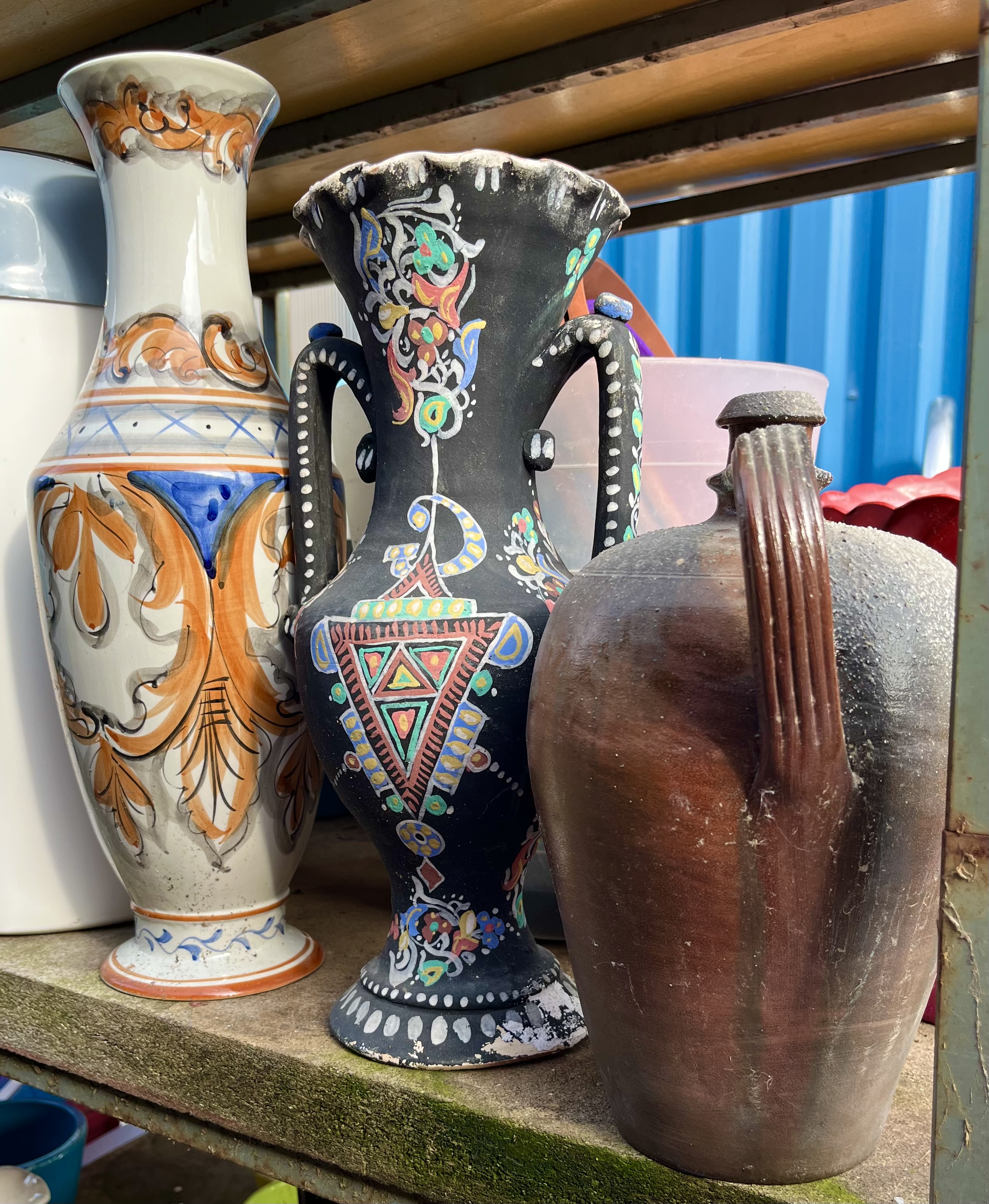
But, in the same place in the kitchen section that I’d found the black stones on the glass candy dish the previous week, I found a brass monkey on a crocodile.

Mais, au même endroit dans la section cuisine où j’avais trouvé les pierres noires sur le plat à bonbons en verre la semaine précédente, j’ai trouvé un singe en laiton sur un crocodile.

“What a treasure!” said the guardian of the kitchen section as she wrapped my 1€ find in newspaper.

« Quel trésor ! » s’exclama la gardienne du rayon cuisine en emballant ma trouvaille à 1 € dans du papier journal. 

On our way out of the store, I unwrapped it to show Anu, who, being Indian, immediately recognized that my treasure was from the Panchatantra teaching story, “The Monkey and the Crocodile.” We were talking about that as we passed the tray of white stones, still displayed in front of the garage door.

En sortant du magasin, je l’ai déballé pour le montrer à Anu qui, étant indienne, a immédiatement reconnu que mon trésor provenait du conte pédagogique du Panchatantra, « Le singe et le crocodile ». Nous en parlions en passant devant le plateau de pierres blanches, toujours exposé devant la porte du garage. 

Did I stop to take a picture? No.

Est-ce que je me suis arrêté pour prendre une photo ? Non.

When I came home, I looked up the story. Here’s my favorite rendition of it:

The Monkey and the Crocodile

https://worldstories.org.uk/reader/the-monkey-and-the-crocodile/english/993

Once upon a time, a monkey lived in a tree by a river. The monkey was alone as he had no friends or family but he was happy and content. The tree gave him plenty of sweet jamun fruit to eat. It also gave him shade from the sun and shelter from the rain.

One day, a crocodile was swimming up the river. He climbed on to the bank to rest under the monkey’s tree.

‘Hello,’ called the monkey, who was a friendly animal.

‘Hello,’ replied the crocodile, surprised. ‘Do you know where I can get some food?’ he asked. ‘I haven’t had anything to eat all day and I am hungry.’

Now you might think that the crocodile would want to eat the monkey, but this was a very kind and gentle crocodile and the thought never entered his head.

‘I have lots of fruit in my tree. Would you like to try some?’ said the monkey, who was also very kind.

He threw some jamun fruit down to the crocodile. The crocodile was so hungry that he ate up all the jamuns even though crocodiles don’t usually eat fruit. He loved the sweet tangy fruit and the pink flesh made his tongue turn purple.

‘Come back whenever you want more fruit,’ said the monkey, when the crocodile had eaten all he wanted.

Soon the crocodile was visiting the monkey every day. The two animals became good friends. They would talk, tell each other stories and eat lots of sweet jamuns together.

One day, the crocodile told the monkey about his wife and family.

‘Please take some fruit for your wife as well when you go back today,’ said the monkey.

The crocodile’s wife loved the jamuns. She had never eaten anything so sweet before but she was not as kind and gentle as her husband.

‘Imagine how sweet the monkey would taste as he eats these jamuns every day,’ she said to her husband.

The kind crocodile tried to explain to his wife that he could not possibly eat the monkey.

‘He is my best friend,’ he said.

The crocodile’s greedy wife would not listen. To get her husband to do what she wanted, she pretended to be ill.

‘I am dying and only a sweet monkey’s heart can cure me!’ she cried to her husband. ‘If you love me, you will catch your friend the monkey and let me eat his heart.’

The poor crocodile did not know what to do. He did not want to eat his friend but he could not let his wife die.

At last, he decided what he must do and the next time he visited the monkey he asked him to come to meet his wife as she wanted to thank him in person for the lovely jamun fruit.

The monkey was pleased but said he could not possibly go because he did not know how to swim.

‘Don’t worry about that,’ said the crocodile. ‘I’ll carry you on my back.’

The monkey agreed and jumped onto the crocodile’s back.

So the two friends moved out into the deep wide river.

When they were far away from the bank and the jamun tree, the crocodile said, ‘I am so sorry but my wife is very ill and says that the only cure is a monkey’s heart. I am afraid that I have to kill you, although I will miss our talks.’

The monkey thought quickly and said, ‘Dear friend, I am very sorry to hear of your wife’s illness. I am glad that I will be able to help her but I have left my heart behind in the jamun tree. Do you think we could go back so that I can fetch it?’

The crocodile believed the monkey. He turned and swam quickly to the jamun tree. The monkey jumped off his back and climbed into the safety of his tree.

‘I thought you were my friend,’ he called. ‘Don’t you know that we carry our hearts within us? I will never trust you again or give you fruit from my tree. Go away and don’t come back.’

The crocodile felt foolish. He had lost a friend and a supply of good sweet fruit. The monkey had saved himself because he had thought quickly. From that day on, he never trusted crocodiles again.

Quand je suis rentré chez moi, j’ai cherché cette histoire. Voici un lien vers le conte en français :

Le Singe et le Crocodile

It took me about a week of asking my French neighbors to learn that putting white stones in front of your house for good luck or to make it welcoming is an old, local custom, and even longer to find an article about it.

Il m’a fallu environ une semaine pour apprendre, en interrogeant mes voisins français, que placer des pierres blanches devant sa maison pour porter chance ou la rendre accueillante est une ancienne coutume locale, et encore plus longtemps pour trouver un article à ce sujet.

The article begins:

Healing stones in the French countryside: forgotten knowledge

Not so long ago, the French countryside was rich in ancestral knowledge passed down from generation to generation, whispered in hushed tones or through age-old gestures. Among these traditions, the art of healing with stones, known as lithotherapy, held a discreet but essential place in the daily lives of villagers.”

Since learning about the magic of white stones, I’ve noticed how often there’s one white cobblestone on the street in front of houses, or a white stone placed at the corner of a house. I got to know my neighbors better by asking my neighbors about the custom, and I put a couple white stones on my own windowsill, too.

Depuis que j’ai découvert la magie des pierres blanches, j’ai remarqué qu’il y avait souvent un pavé blanc devant les maisons ou une pierre blanche placée au coin d’une maison. J’ai adoré interroger mes voisins sur cette coutume et j’ai moi-même placé deux pierres blanches sur le rebord de ma fenêtre.

So, even though I missed the opportunity to learn the magic of the stones from the woman in Carmaux, and I missed the chance to take a picture there, I did get another good story.

Ainsi, même si j’ai raté l’occasion d’apprendre la magie des pierres auprès de la femme de Carmaux, et même si je n’ai pas pu prendre de photo là-bas, j’ai tout de même obtenu une autre belle histoire.

The moral of the Monkey and the Crocodile and of my own story is similar.

Even though bad things happen, good thinking and smart actions can lead to happy endings.

La morale de l’histoire du singe et du crocodile, et celle de ma propre histoire, est similaire..

Même lorsque des événements malheureux surviennent, une réflexion positive et des actions intelligentes peuvent mener à une issue heureuse.

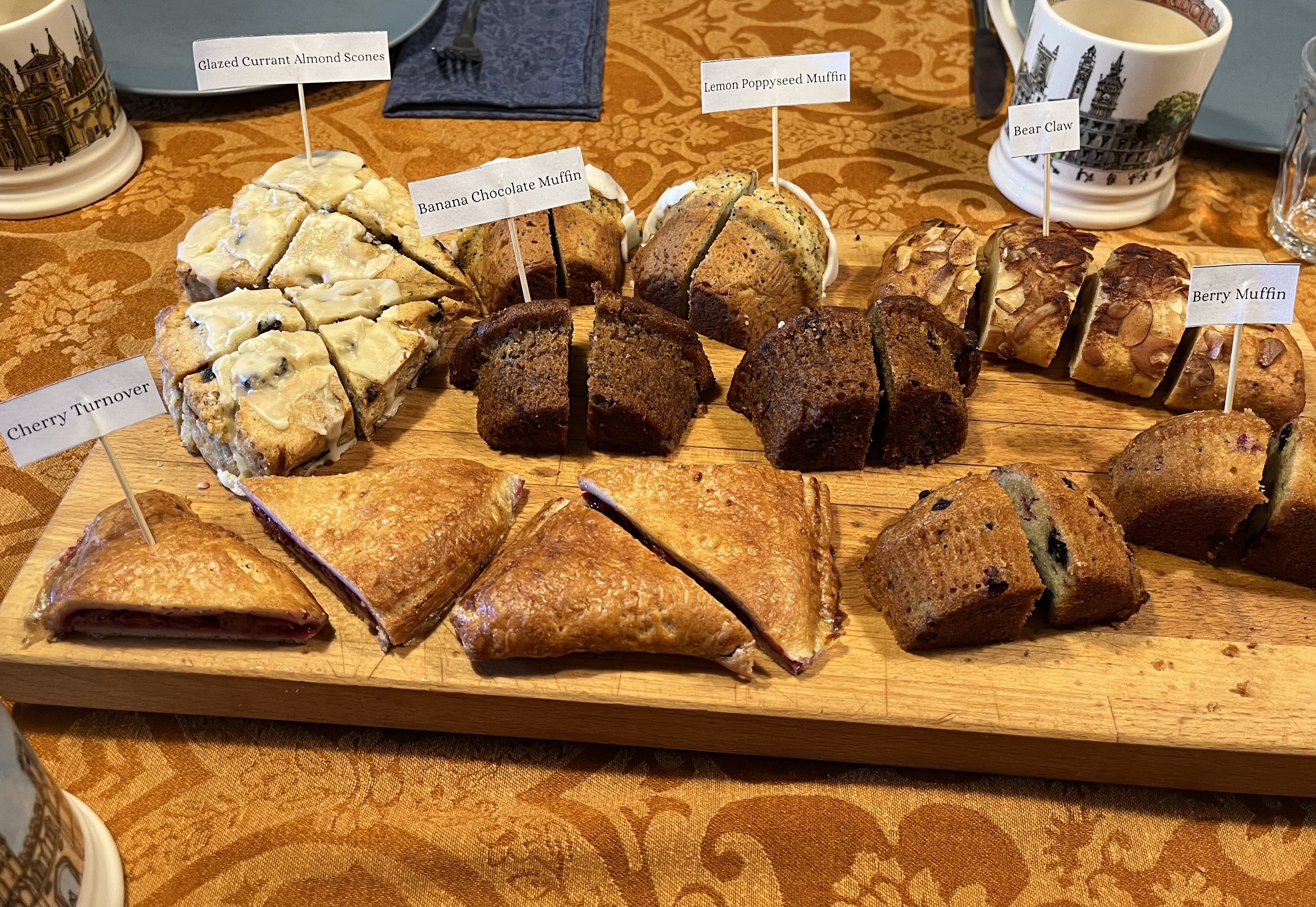
And now for something completely different…Emmaüs in Carmaux

Eve Neuhaus Interview on NPR affiliate KCBX: A Day of Delights

I’m pleased to pass on the link to my most recent interview about Red Vienna, this one on the NPR affiliate in San Luis Obispo, KCBX.

The interview was aired on my best birthday ever. As my voice reached thousands of people, I was enjoying a lunch at Cafe Leila in Berkeley with two old and dear girlfriends. We opened the place and we closed it.

I’d already had a terrific meal out the night before with my son-and daughter-in-law, and a magnificent gluten-free breakfast with my Berkeley family. Mariposa Bakery is the best!

After lunch, we took BART back to Pleasanton, where I’ve been staying to help out with our daughter’s three-year old boy and newborn baby.

Imagine our surprise as this character came out of the station.

The day ended with a superb paella at my daughter’s place in Pleasanton.

It was over the top. I am grateful beyond words to my family and friends for making it all happen.

Listen to the interview: https://www.kcbx.org/podcast/central-coast-voices/2024-07-18/eve-neuhaus-author-of-red-vienna

Just when you’re not expecting it…

Three days ago a friend suggested I join a Facebook group I’d never heard of, the Dull Women’s Club, so I could read some of the wonderful stories ordinary women from all over the world have posted. After about half an hour of reading, I dashed off an introduction to myself and my quiet world here in rural France. Who knew that a couple days later that post would have so many likes (12.5k this morning) and that it would lead to having contact with so many remarkable women? What an incredible experience.

I spent most of the next two days responding to the comments. I wanted to respond to every single one—so many of them touched my heart so deeply. What’s amazing about the stories is their ordinariness.

My teacher Alice O. Howell‘s book The Dove in the Stone is subtitled Finding the Sacred in the Commonplace, and that’s been my path ever since I first read it. I even facilitated a long-running discussion group about the book at my dining room table on Thursday mornings. But even though I was exploring the book every week and had a reasonable understanding of it, I can remember the exact moment that its importance sank into my bones.

We had a huge house in California then, very different from the little one we live in now. One or two of our five kids were always in college then, causing a major drain on our finances, so I cleaned the house myself. One day I’d climbed up to dust a high shelf and I was thinking about how to present the next chapter in The Dove and the Stone the next day. I picked up a small vase and was turning it in my hand to get the dust out of the cracks when it struck me.

Our big house

The understanding hit me in the heart like an electric shock and then rippled through my body. This is it. This is what I’m here for, to see the sacred in the commonplace. I had to climb down and make a cup of tea.

Our little house in France

So, when I came across the Facebook group filled with introductions to ordinary women my heart filled with joy. For the second time in my life I felt that I’d truly met my tribe. (The first was when I was 12 and went to an art and music camp for the first time.) But this time the tribe is hundreds of thousands of women.

Suddenly, as a result of the opportunity of meeting so many people through the facebook group, Red Vienna, is selling well, and lots of people are reading my blog.

On top of that, I found an outstanding narrator to for the audiobook version and her first sample arrived in my mailbox this morning.

I cannot express my gratitude. It’s over the top.

Chat Nomade

I’m busy getting ready for the first Chat Nomade, a pop-up cafe filled with cat art and objects. Nicole Barrière, Jude Brazendale, Marie-Josèphe Boyé and I are planning it for the first weekend of October, at Tom’s and my place. In November, it’ll be at someone else’s place.

At this point we’re working on the poster and making or collecting cat things.

Cordais friends, mark your calendars now and join us Saturday or Sunday afternoon between 2 and 5 the first weekend of the month for the Chat Nomade.

Je suis occupé à me préparer pour le premier Chat Nomade, un café éphémère rempli d’art et d’objets félins. Nicole Barrière, Jude Brazendale, et Josèpha Boyé et moi le prévoyons pour le premier week-end d’octobre, chez Tom et chez moi. En novembre, ce sera chez quelqu’un d’autre.

À ce stade, nous travaillons sur l’affiche et fabriquons ou collectons des objets “chat”.

Amis Cordais, à vos agendas dès maintenant et rejoignez-nous samedi ou dimanche après-midi entre 14h et 17h le premier week-end du mois pour Chat Nomade.

Cats on Stools

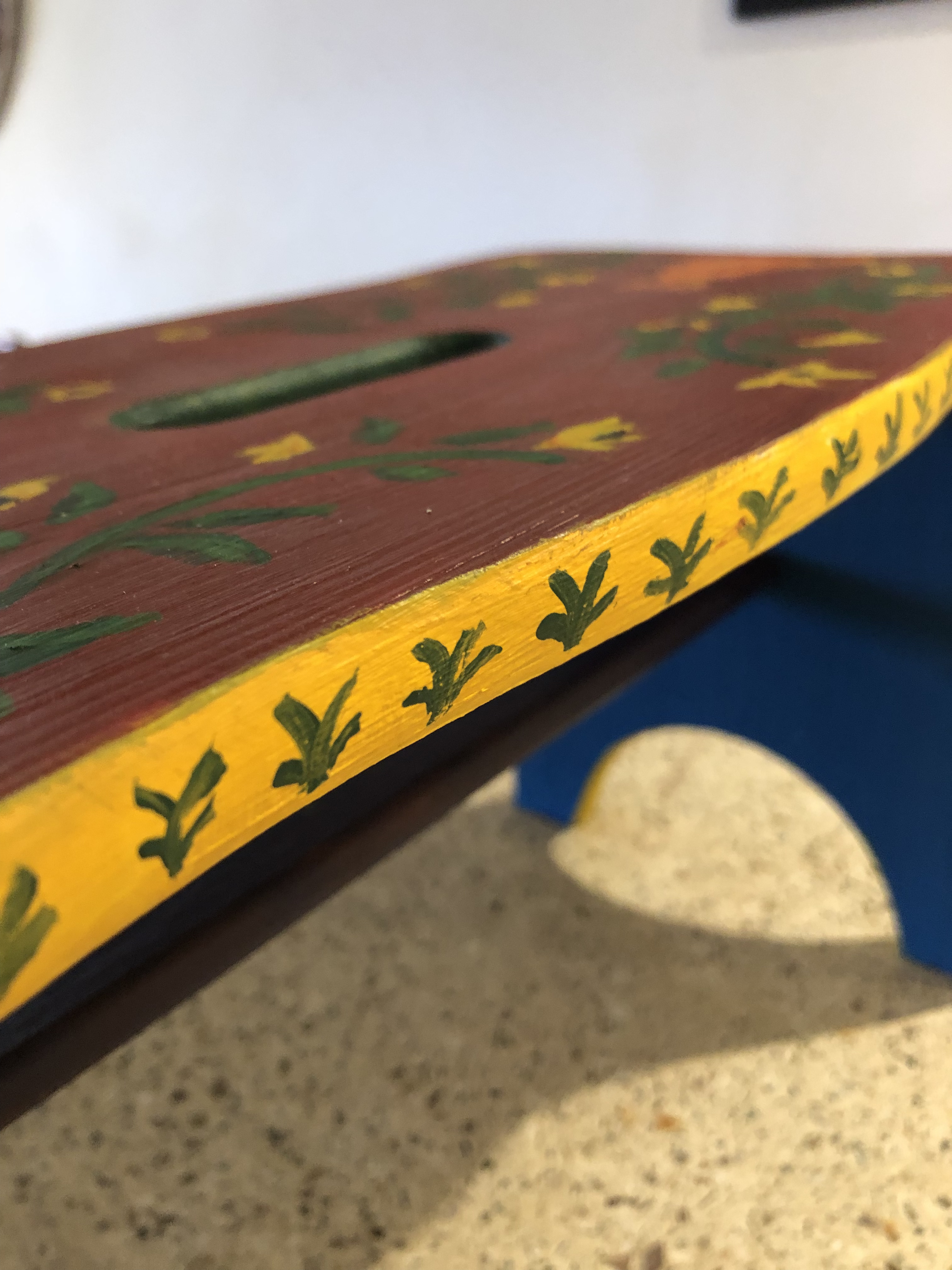
I’ve recently begun a series of painted footstools featuring cats. This is the first one.
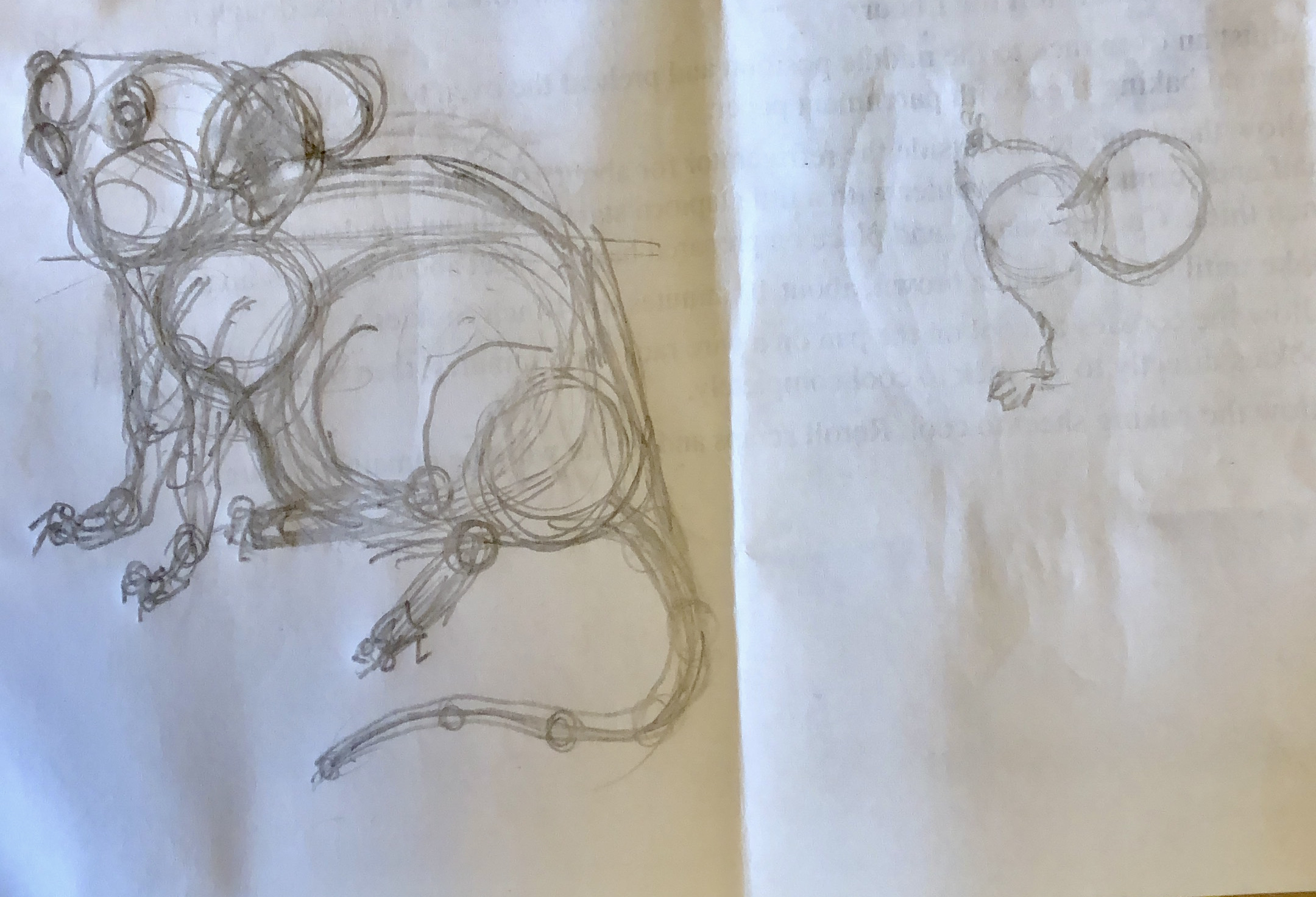
After choosing which stool I want to paint – I have a few on hand, some new, some old – I practice drawing the images I’ll put on it, and I start a search for the right quotation or poem for the bottom.

Then I paint the stool using acrylics. If I’m working on a stool for someone, I try to choose the right colors. Once the color is dry I begin on the design, usually on paper first and then on the stool.

Usually I add folk art designs at the end.

The second one in the series is in spring colors.

And now I’m beginning the sketches for the third one.

I haven’t had this much fun in a while!

Ninety days outside the Schengen area – sacred geometry in Morocco

It was in the Nejjarine Museum of Wood Arts in Fès that the thought struck me. The chaos of the crumbling medina, the vibrancy of the souks, the noise, the pollution, the exploding energy of the colors, and the sheer quantity of stuff –

Souk, medina, Marrakech

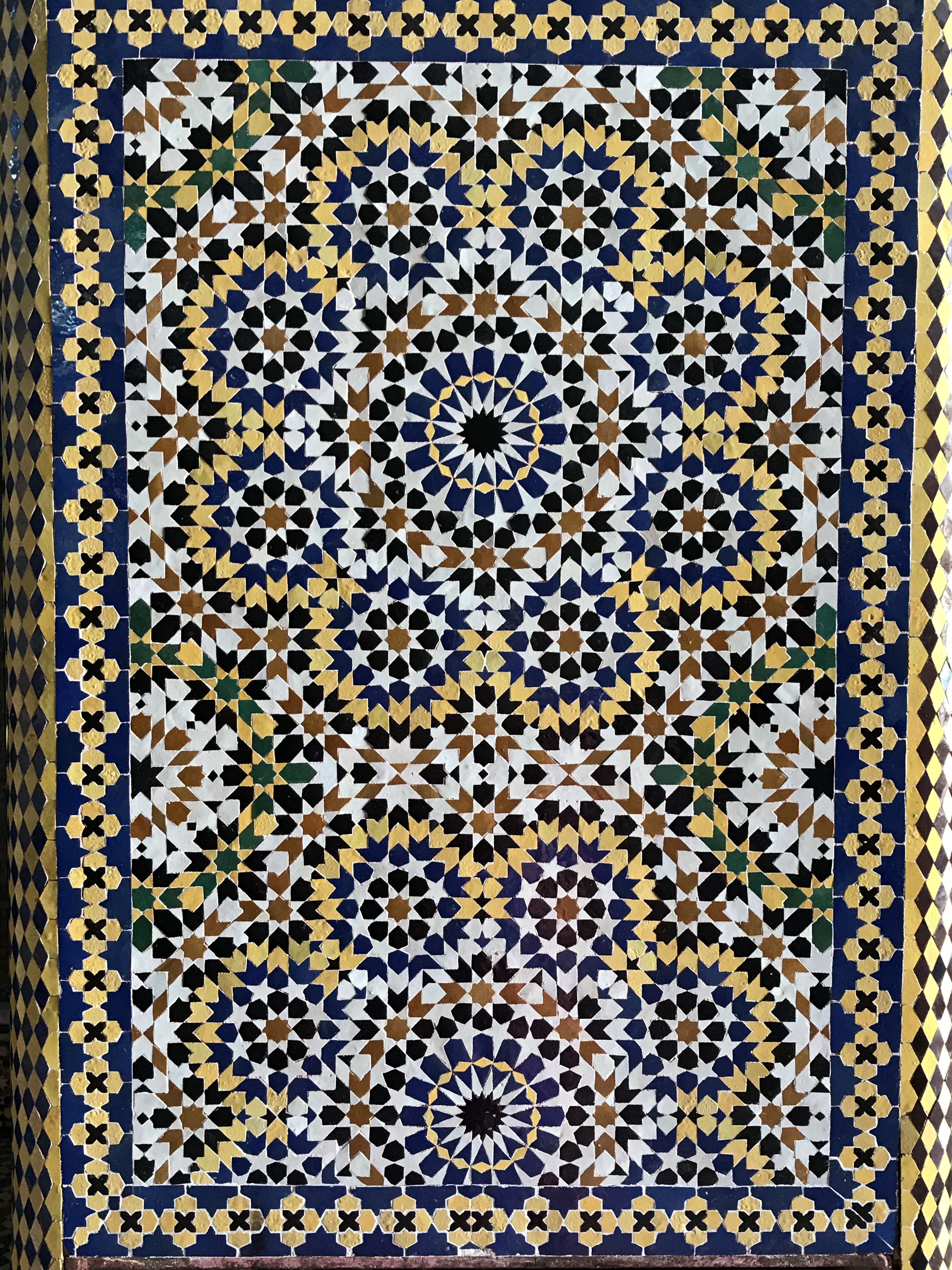
– is beautifully balanced by prevalence of the purposeful geometry, sacred geometry, everywhere.

That’s why Morocco is so enchanting.

Souk, medina, Fès, Morocco

Doorway, Marrakech Musèe

Wall, Palais el Mokri

Islam takes the prohibition of worshipping graven images seriously, and discourages figurative art. Like all of life, art should be dedicated to God, and God is only describable as essence. Geometry is essence.

Fountain, Palais Glaoui, Fès

Who can resist being centered by such design?

All my years of studying sacred geometry, beginning even before my Ganesh Baba days, and then Dan Winter and most deeply with Alice O. Howell, peaked at that moment in the museum. I stood at the center of a ideally proportioned room surrounded by mandalas, exquisite symmetry, perfect curves, rhythmic repetition, and profoundly satisfying rectangles and squares.

I wanted to take dozens of pictures, but photography was not allowed, so I was forced to confront the serene beauty of that room face on. It was transformative.

Since then I’ve consciously attuned myself to noticing and letting the geometry take me in.

Palais el Mokri

Medina, Marrakech

Palais el Mokri, Fes

Pastry, souk, medina, Fès

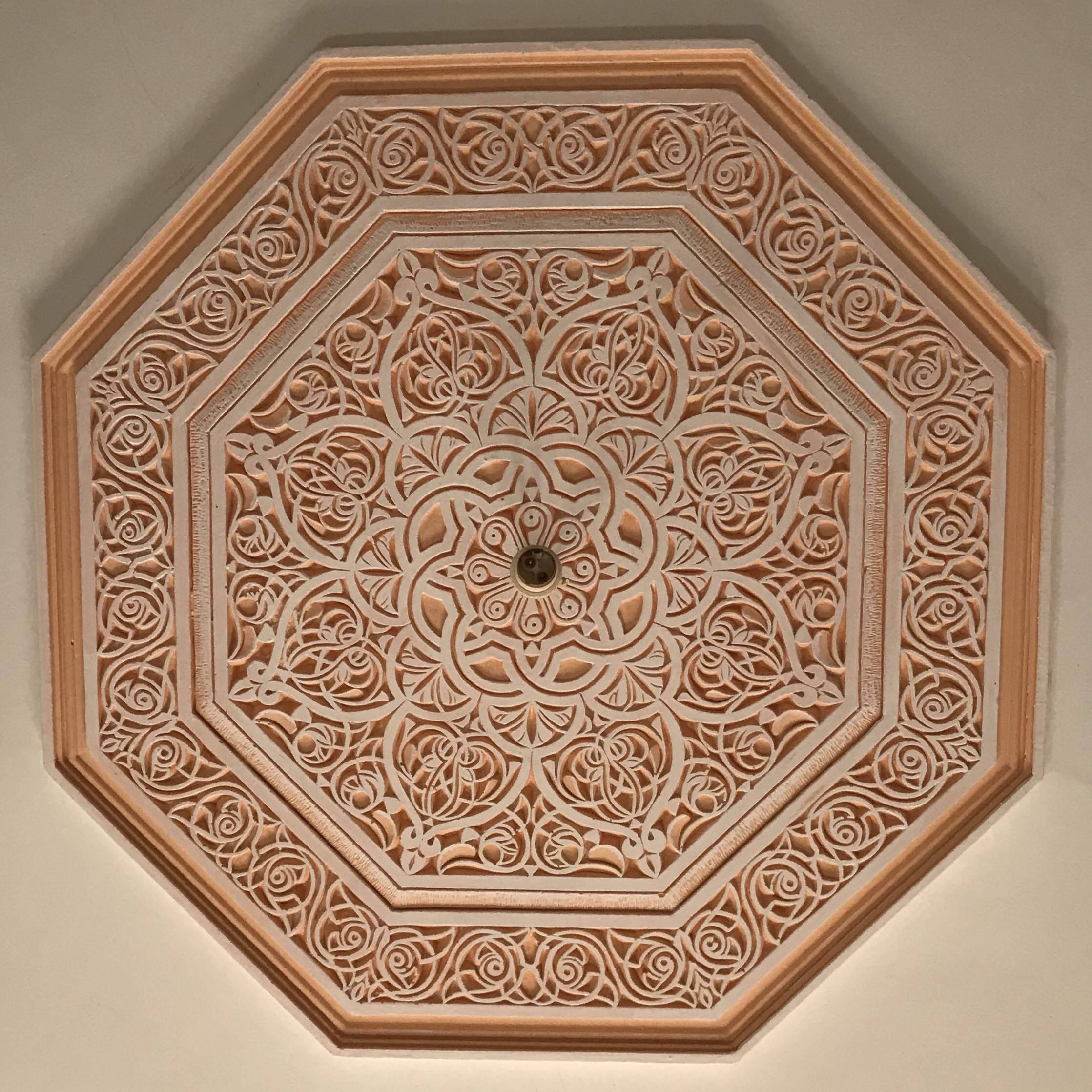
Even contemporary Moroccan design uses the elements of sacred geometry to create beautiful calm spaces, as exemplified by our current Airbnb in the new part of Marrakech.

Magical!

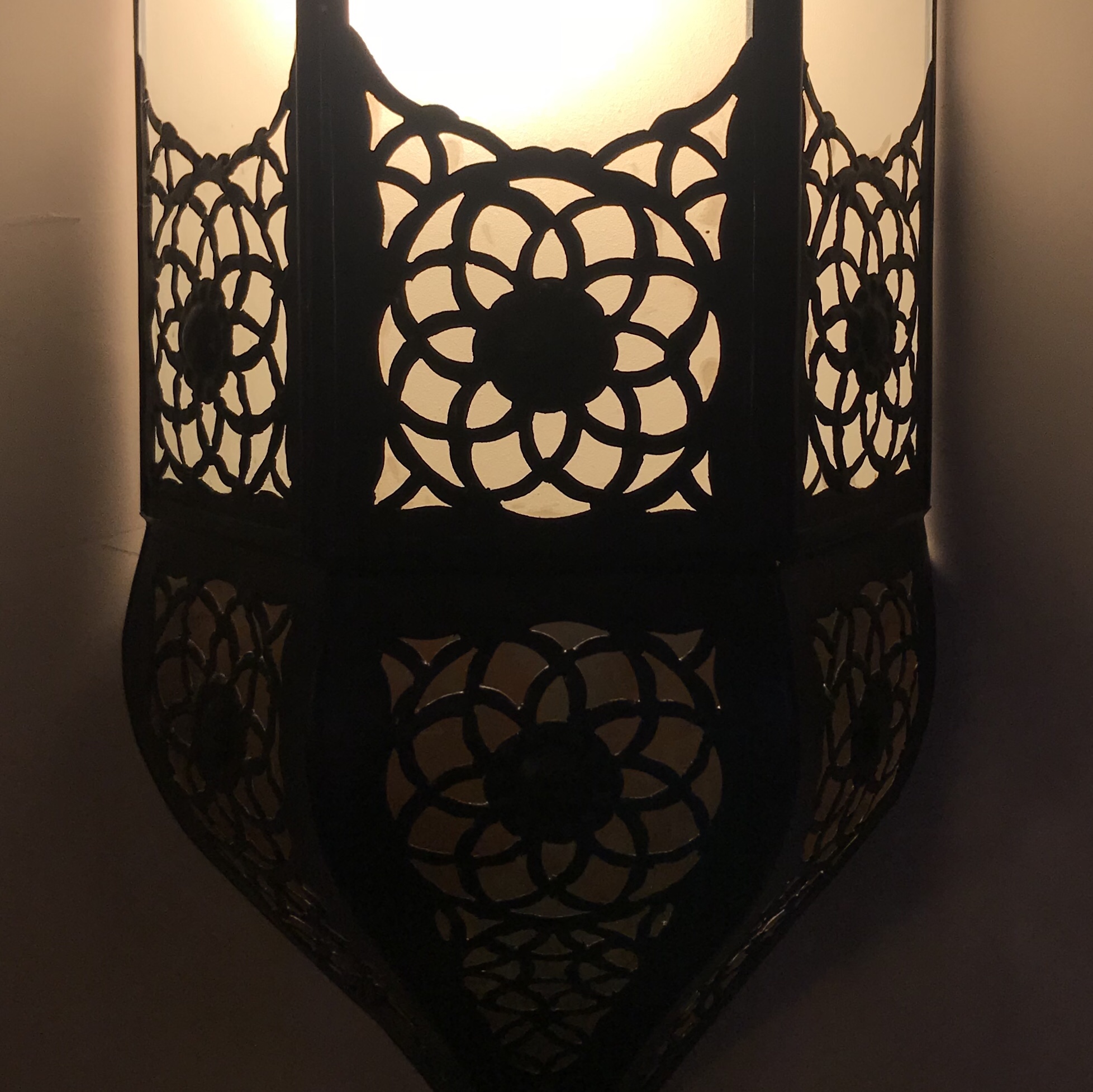
Detail, lamp, Marrakech apartment

Detail, lamp, Marrakech apartment

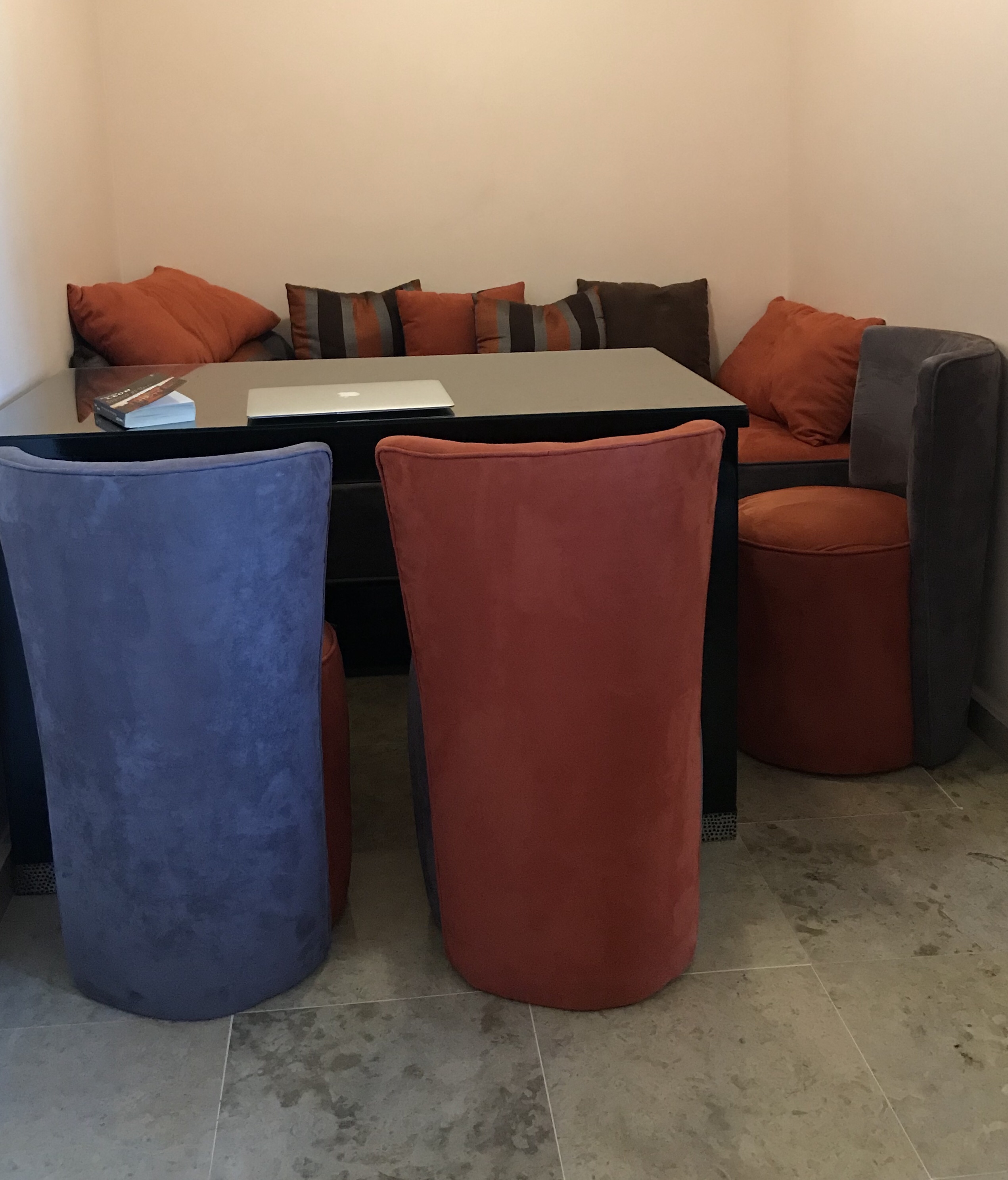
Dining room table and chairs

Dishes

Bedspread

Gate to new apartment building

Light fixture in our Airbnb apartment in Tnine, Ourika

Ninety days outside the Schengen area – the medina, Fès

For several days, Tom and I stayed in the Bird’s Nest, an upper room in Palais el Mokri, which is truly a palace, on a hilltop above the medina in Fès.

The view from our “dining room”

It was a little like staying at Miss Haversham’s place. Built in 1906 for the Pasha of Casablanca, his descendants are now restoring their magnificent inheritance, an enormous project, and renting out rooms on Airbnb. They’ll also cook for you, and bring very decent meals to your rooms.

The place is magnificent. Dilapidated, but magnificent – and worth every penny of the $23/night we spent to stay there!

Our dining room
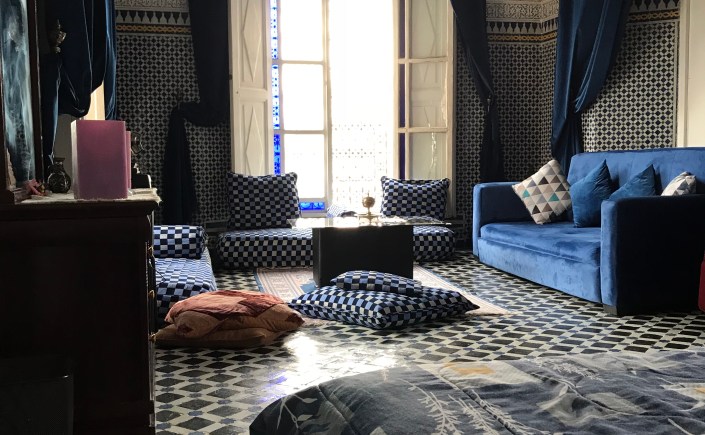
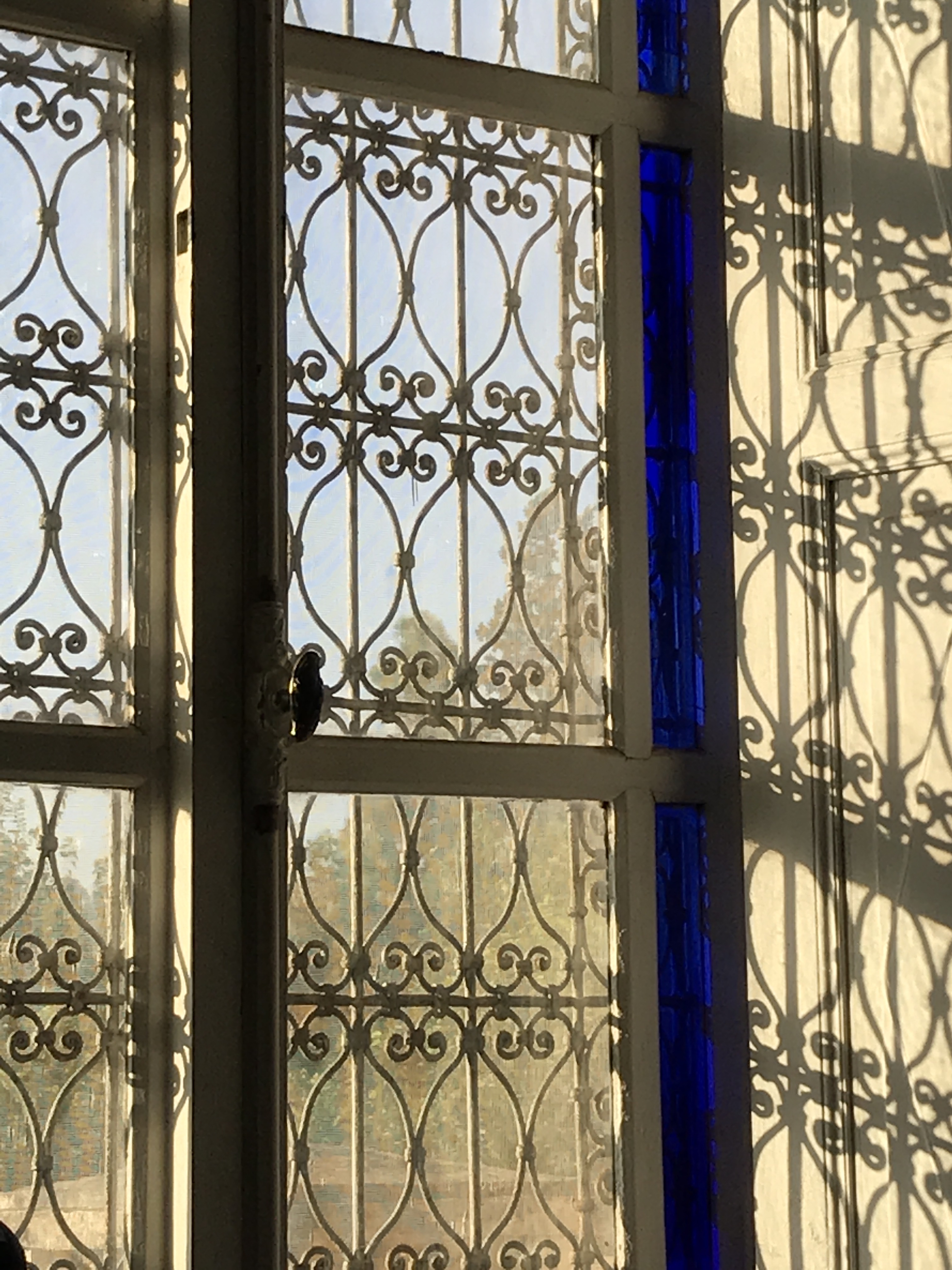
The windows in our bedroom
Coming up the stairs into the Bird’s Nest
Doors in the Bird’s Nest
Looking out over Fès from our room. See the grass on the roof tiles?

Palais el Mokri is about a ten minute walk from the souks, museums, and restaurants of the medina, or old city, of Fès.

Here’s a peek into what we saw there:

The kitchen at Glaoui Palace
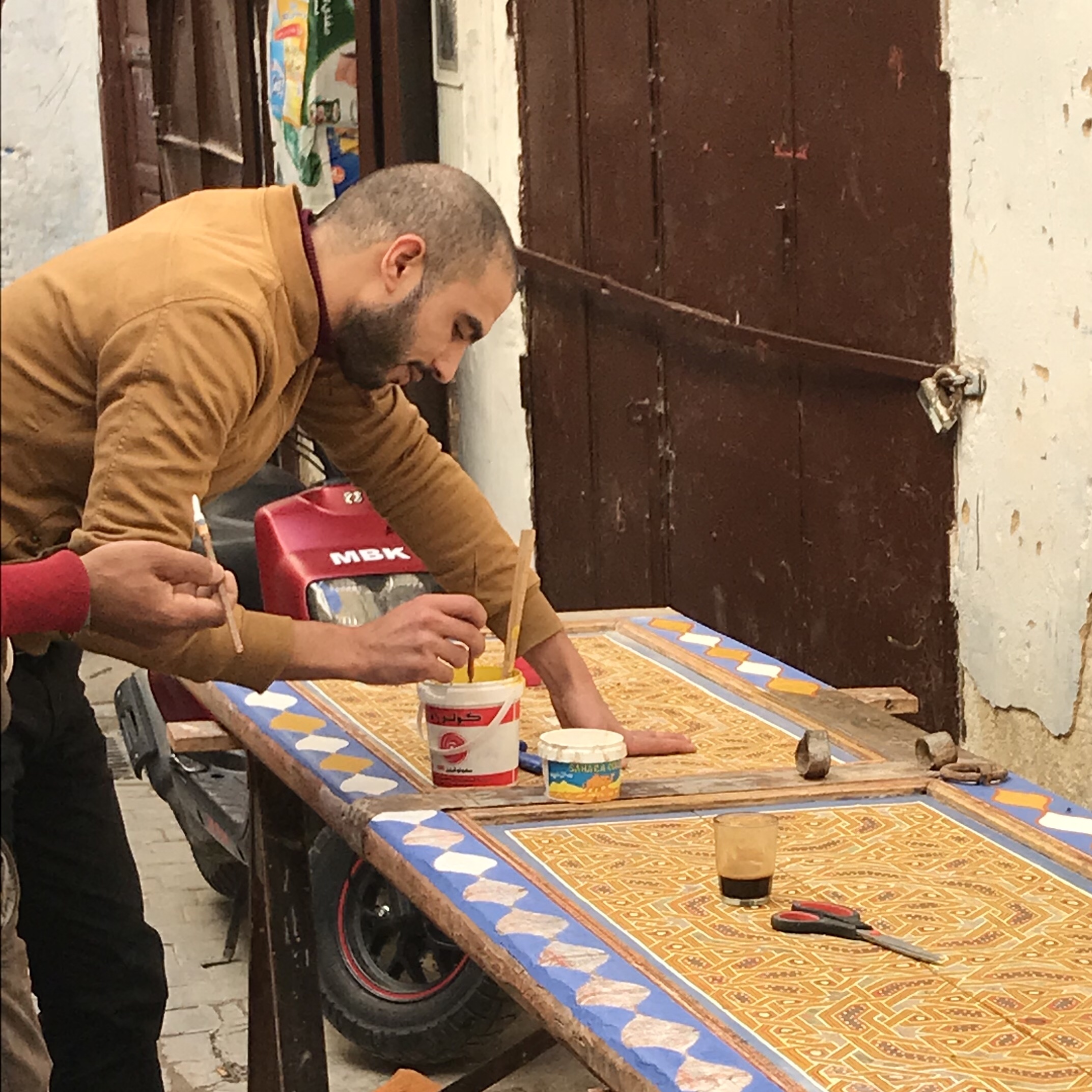
Artist at work
Pieces for sale
The souk in the medina
Snails for sale. Lots of them.
A man who was sitting on the ground shelling peas
A woman begging
Vegetables for sale
Dye pots
Newly dyed clothing
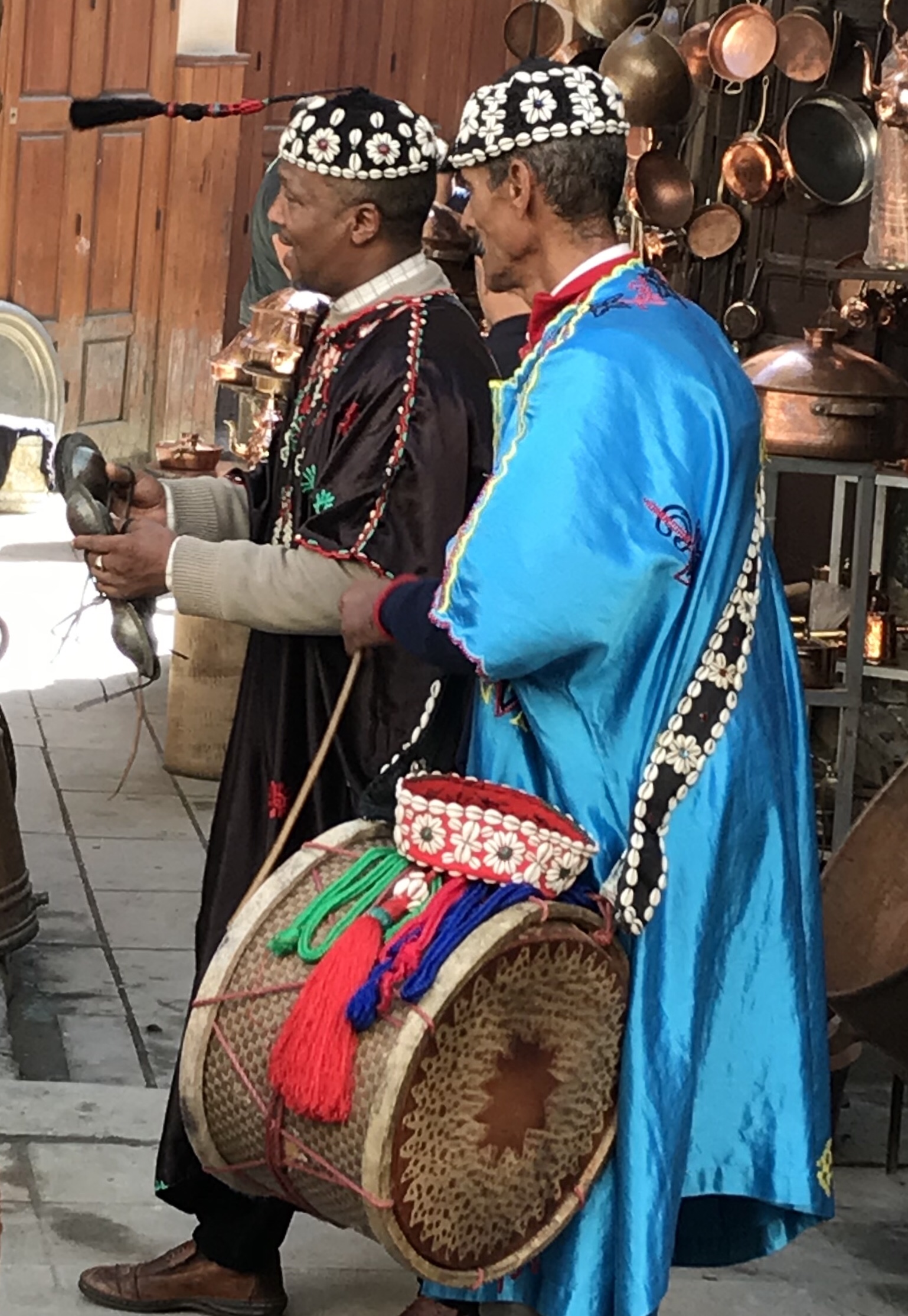
Street musicians
Supplies for making slippers
Cats are everywhere
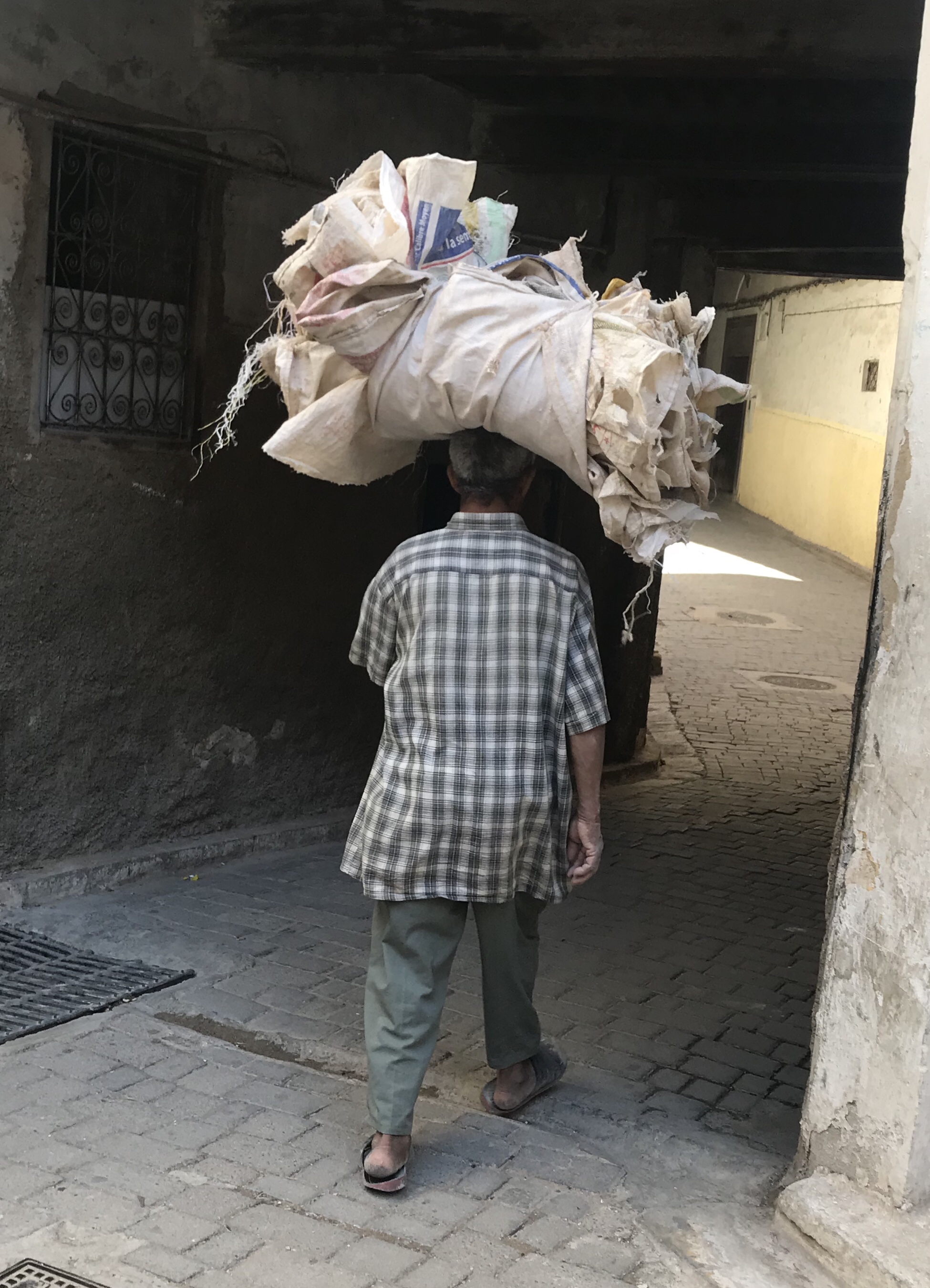
Carrying a pile of empty sacks
Donkeys are common

Ninety days outside the Schengen area: Casablanca and Rabat/Salé

By early September, it became clear that the papers necessary for me to acquire dual Austrian/American citizenship, and in turn an EU passport, were not going to arrive before our Schengen visas ran out. I’d diligently supplied the set of required documents to the Austrian consulate in Los Angeles but at each step the rules seemed to change, and there were more hoops to jump through. Our 90 out of every 180 days spent in the Schengen area would be up by mid-October.

The Schengen Area is a zone where 26 European countries abolished their internal borders. It covers most of the EU countries, except the UK, Ireland and the countries that are soon to be part of the EU: Romania, Bulgaria, Croatia and Cyprus. Although not members of the EU, Norway, Iceland, Switzerland and Lichtenstein are also part of the Schengen zone.

Our 180 days began when our visitor visas were stamped on our entry to France in May to explore the possibility of living there. Every time you go through passport control, your passport is scanned and a computer tells the border agent your Schengen status, so there’s no getting around obeying the rules.

We decided to apply for long term French visas, and we booked a trip to Morocco.

Ocean view from Salé

Casablanca is a noisy, dirty, sprawling, port city in the midst of major reconstruction. We rented an apartment between the port and the center city, a few blocks from the area along the ocean where many big hotels have been built and many more are coming. We could walk to the old medina where we enjoyed an outstanding meal at La Sqala, and sat at a lovely cafe on a small park.

In front of Hotel Central in the old medina

La Sqala

La Sqala

Lunch at La Sqala

From cafe near Hotel Central, old medina

Though it rained a little, we walked for hours, checking out Rick’s Cafe, an elegant reconstruction of the movie set, and Le Cuisto Traditionel, an excellent traditional/modern fusion restaurant in the downtown area. We also visited the Hassan II mosque, which was incredibly enormous and struck me as soulless.

Rick’s Café

Le Cuisto Traditionel

Hassan II mosque

Mosaic tiling at the mosque

Next, we took the train to Rabat/Salé. Rabat is the capital of Morocco and Salé is the huge mostly residential city across the river from it, Oakland to San Francisco.

Our Airbnb apartment was in a middle class neighborhood in walking distance from the old medina, the ocean, and the tram to Rabat.

Tom relaxing in our spacious living room in Salé

Our street in Salé

Three flights up and down

Salé is clean, relaxed, and very friendly. The first afternoon we were there, we noticed some construction going on next door. From our fourth floor windows we could see a long tarp over the narrow street below.

That night – it was a Friday – a crowd gathered and a sound system was tested. It was a massive tent they’d set up. From 8 pm that night till long past midnight, our flat was filled with the voices of two men singing long, exquisitely beautiful prayers, interspersed with poetic speech. We fell eventually fell asleep, enchanted.
Morning view from our apartment

The next day was beautiful. We bought food at the neighborhood stalls and planned to stay at home, relaxing and cooking.

Vegetable stall around the corner

In the early afternoon, though, the tent filled up again, the sound system was turned up, and the celebration began. It was a wedding! The music was live and very loud. Western music would’ve been harder to take for such a long time, but still. In the late afternoon we took the tram into Rabat for a few hours. The routine noise of the busy city seemed wonderfully quiet to us.

Wedding tent

When we came back and Tom peeked into the back of the tent.

The wedding went on till just before midnight. Clearly, everyone had a great time – even without alcohol!

Over the next days, we made friends with the cashier at the local grocery store, visited the old medina, and sat at a fish restaurant across from the ocean enjoying an enormous meal.

Old medina, Salé

Cart near the old medina, Salé

Wall around Salé

We also explored the beautiful city of Rabat, a stunning combination of ancient and modern. Such an adventure! And now we’re off to Fes.

Almohad necropolis – 12th century

At the gas station near our place

Entrance to Chellah: Phoenician, Roman, and Marinide ruins

old mosque near Roman ruins

Cats are everywhere. These are waiting for the remains of eels near the mosque at Chellah

At the old medina in Rabat

Verveine

Spices at the old medina at Rabat