
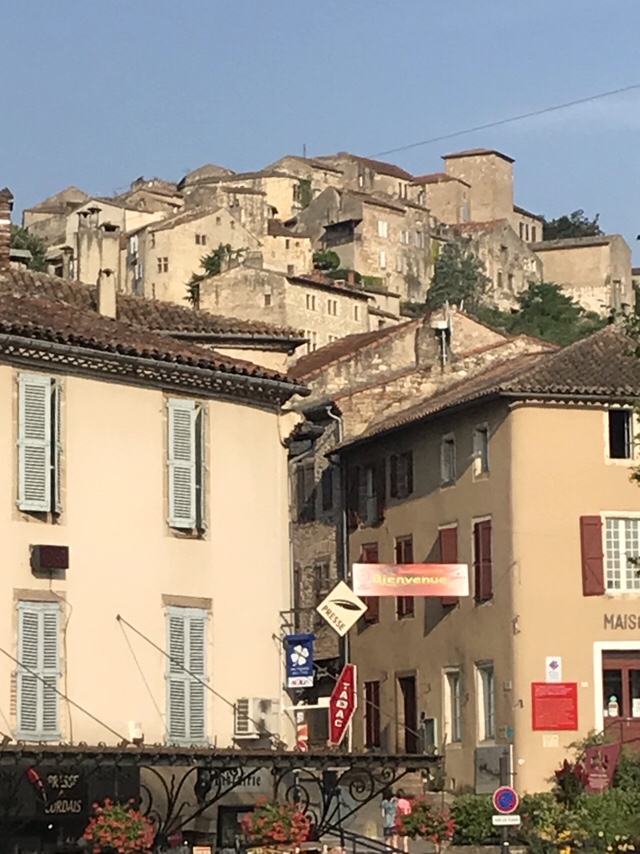
Cordes-sur-Ciel was built as a safe haven for people who lost their homes in the nearby city of Saint Marcel, which was razed during the Albigensian Crusade. Said to be the first of the bastides, it has five walls built in concentric circles.
(More about the history of Cordes-sur-Ciel can be found here.)
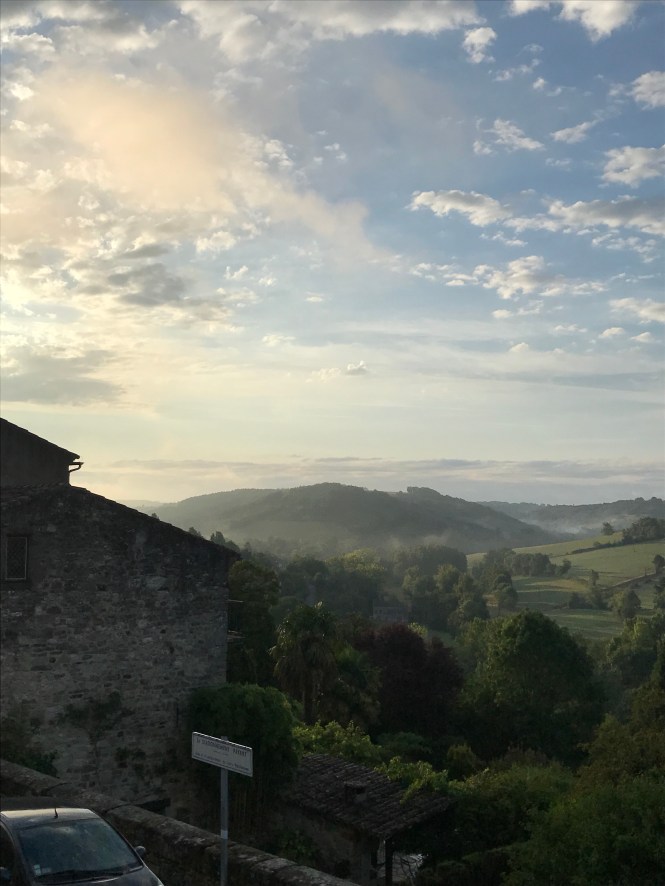
A neighbor recently told us that the stone wall across from our home is the unfinished fifth wall. Indeed, our house is just below the Porte de l’Horloge, the eastern entrance to the medieval city, which is in the fourth wall, built between the 14th and 16th century. Our neighborhood, quartier du Barri, is a 17th century suburb of the medieval village.
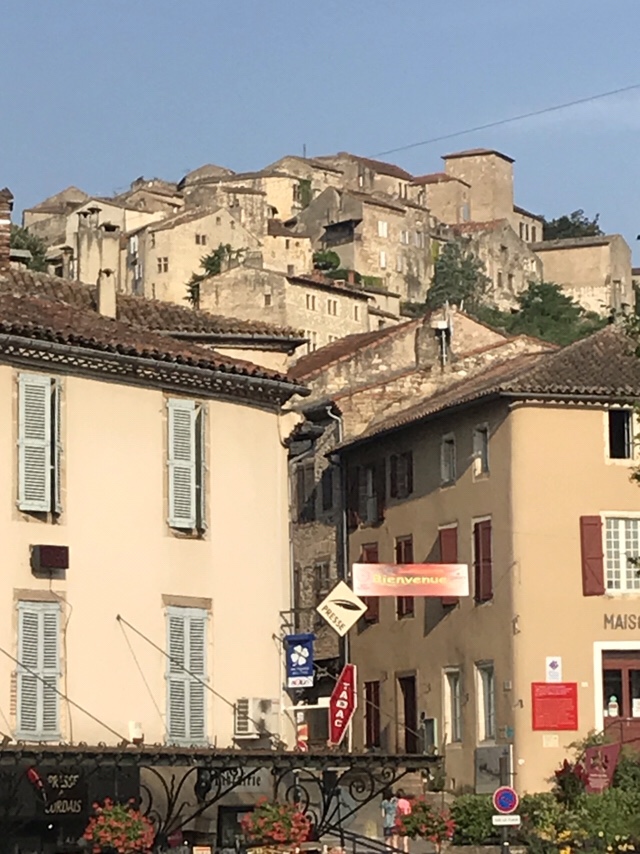
Cordes sits on a rocky outcropping, and is entirely built of local stone: limestone, sandstone, and dolomite. The houses are stone and the streets in the medieval village are cobbled. Walls surround every garden and line every street.
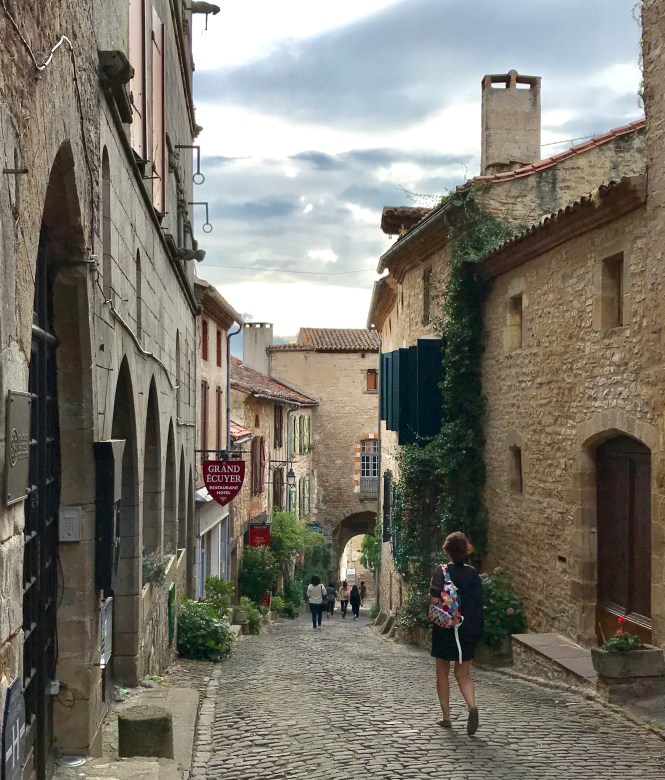

There are walls upon walls upon walls.
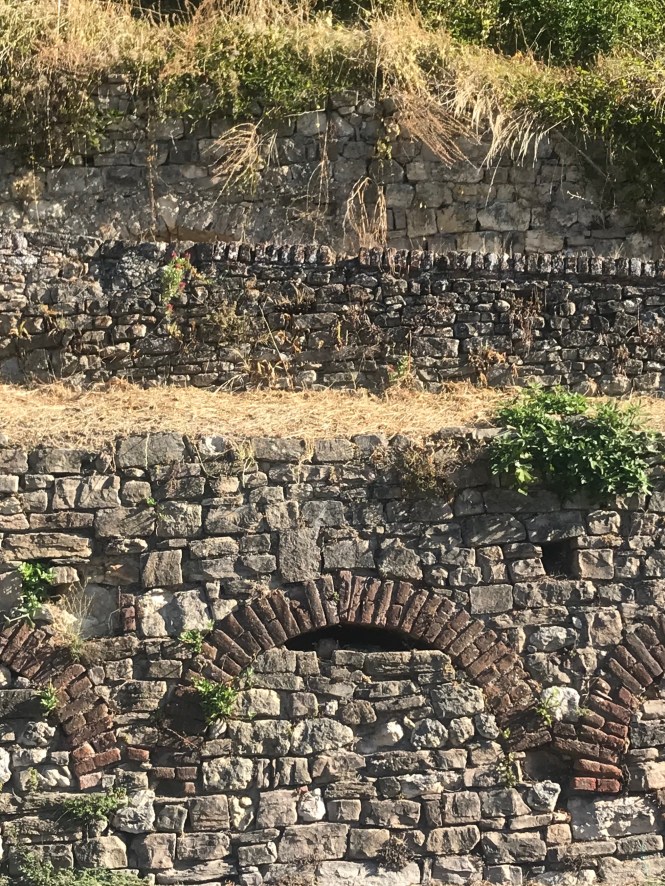
Living without a car gives me plenty of time to appreciate stone walls all around. One of the most delightful things about Cordes is its authenticity: it looks like and is a place that has been continually inhabited since the 13th century. The walls reflect its history.


They bring me peace, connectedness, and a sense of stability. They are the keepers of the stories.


I never tire of their variety, their richness, their complexity.
In a village of art, the stone walls are perhaps the greatest art.


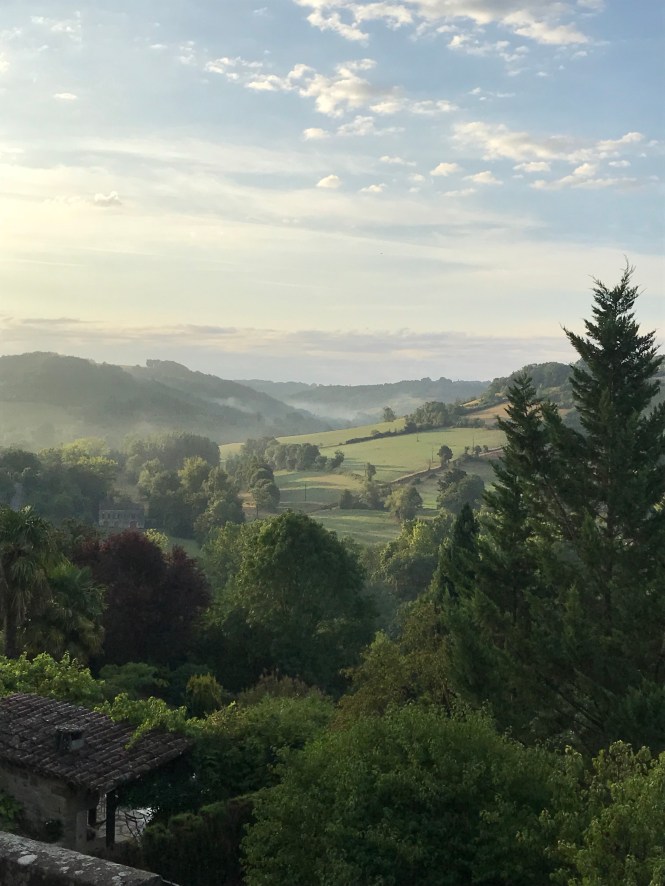

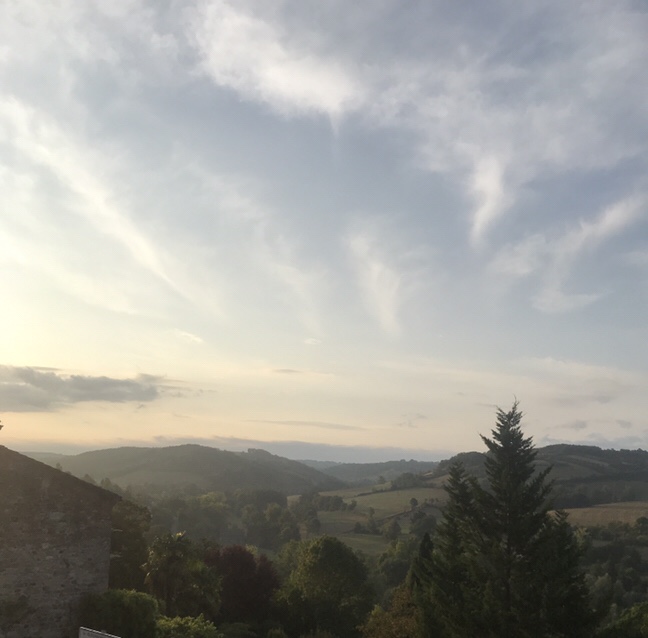


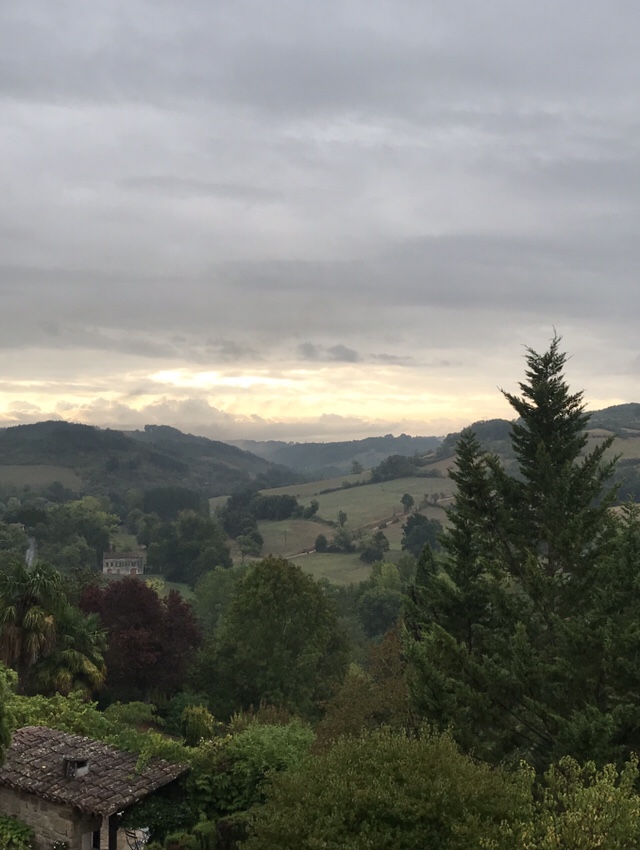
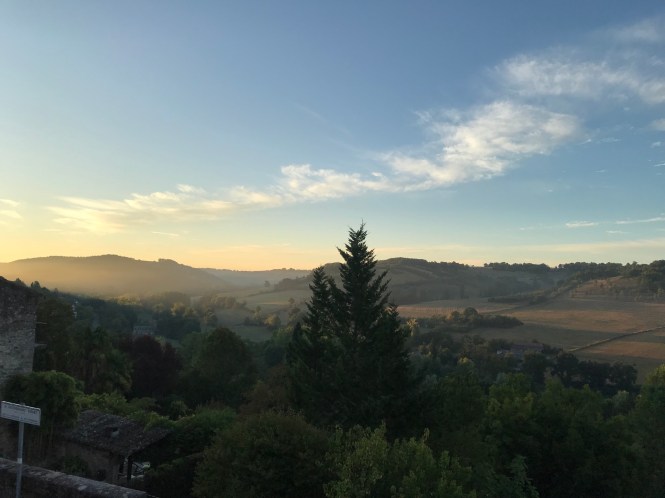

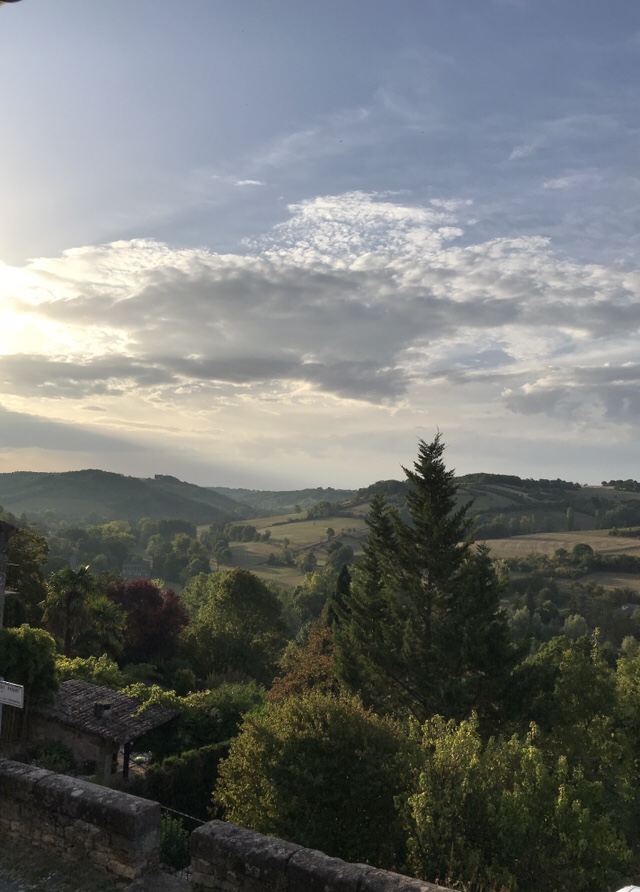
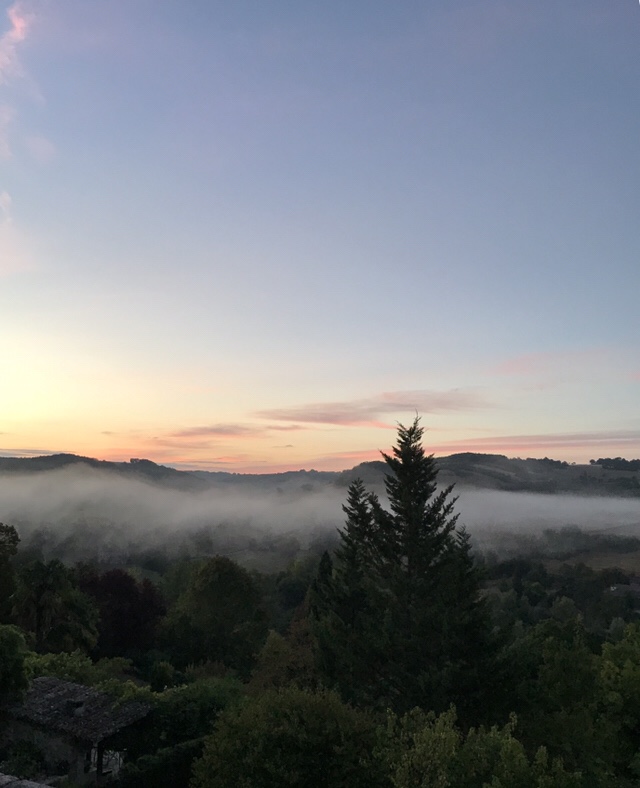









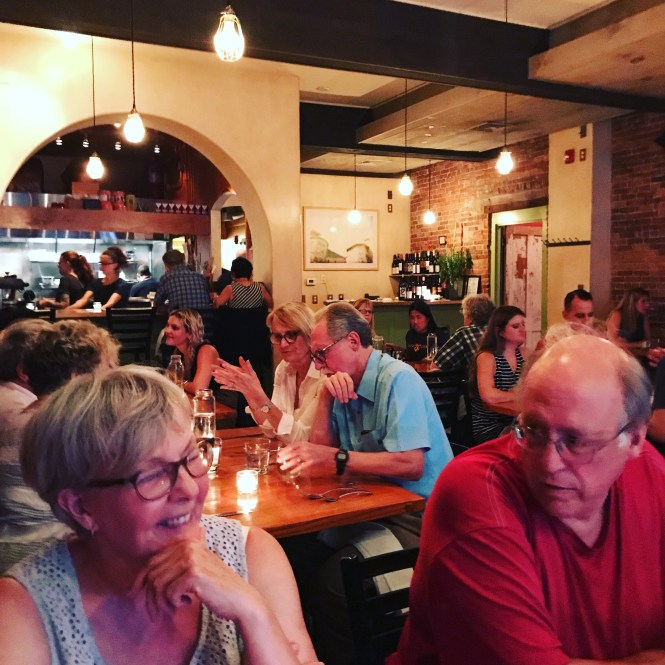
 Our neighbor, Lilliane, who comes from Paris every summer, tells us the best restaurant in the village is at the Hostellerie du Vieux Cordes. Rochelle, Tom, and I sat on the patio there, shaded by a 300 year old wisteria, until a thunderstorm chased us inside. Even inside it was dramatic. As I took the last bite of my oeufs brouillé au truffes (the English menu called them “blurred eggs with truffles”) one of the tall casement windows blew open with a bang, startling everyone in the room.

 When taking the footpath from our house to the lower village, bring a bucket for all the wild fruit: blackberries, plums, quince, apples and grapes.
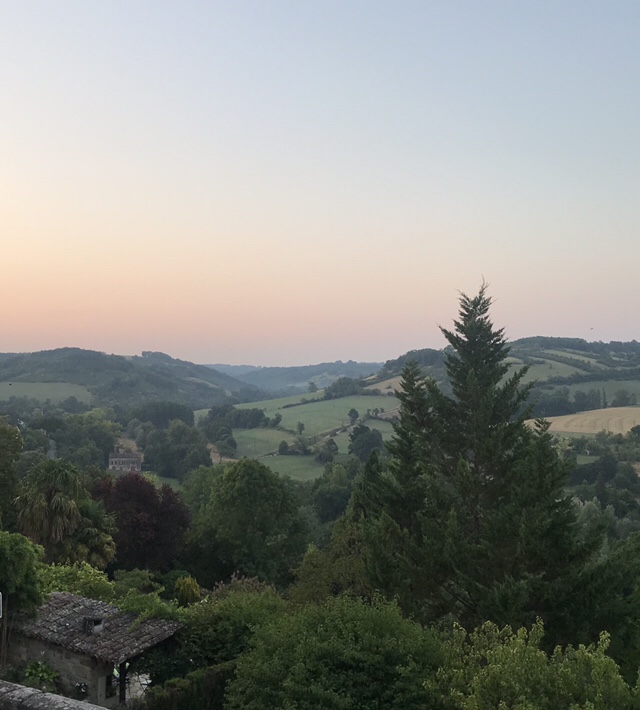
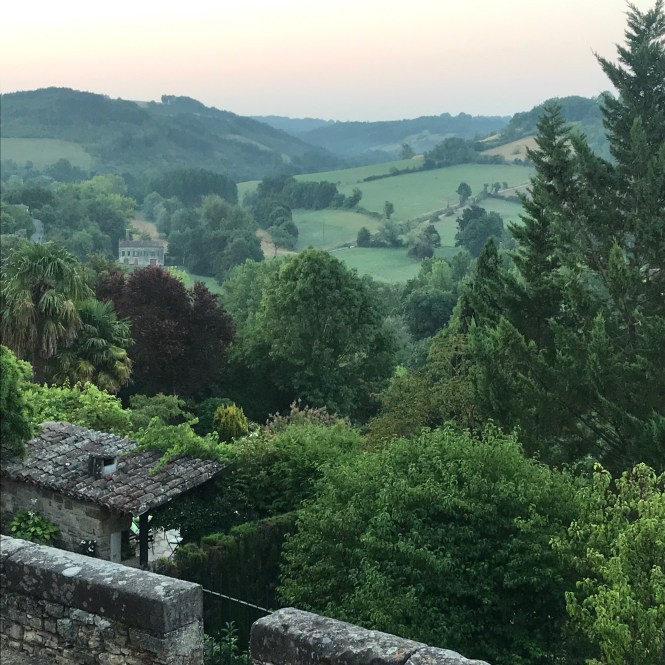
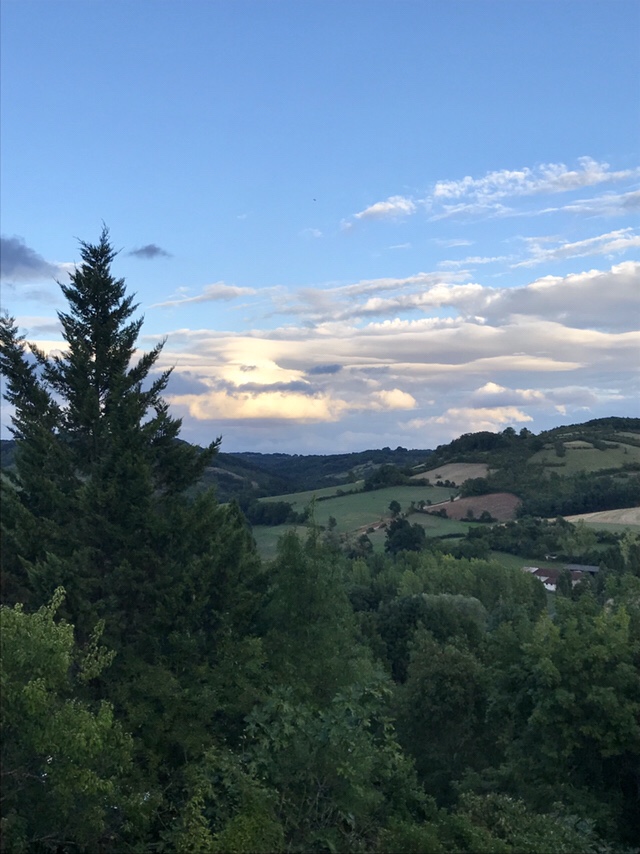
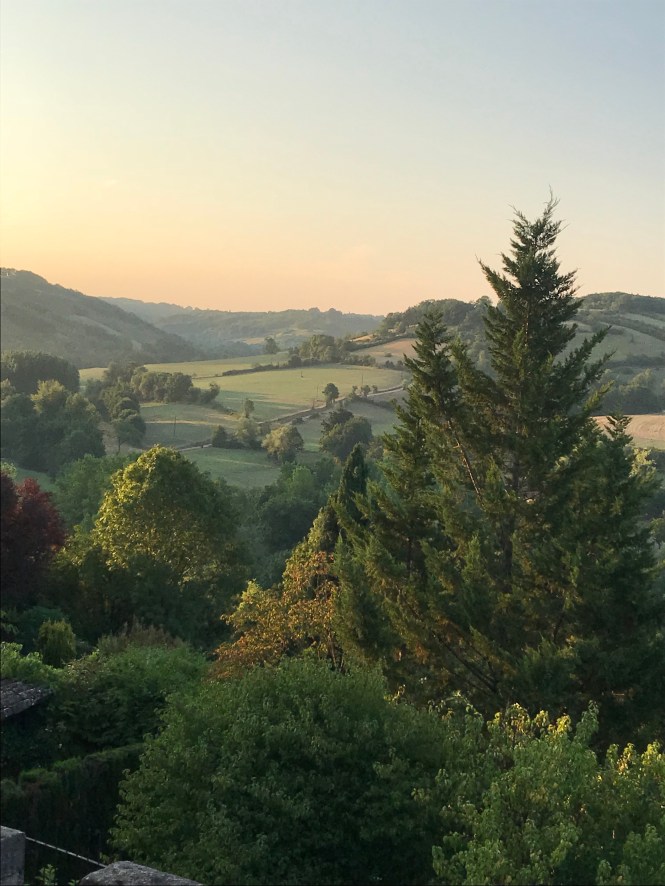
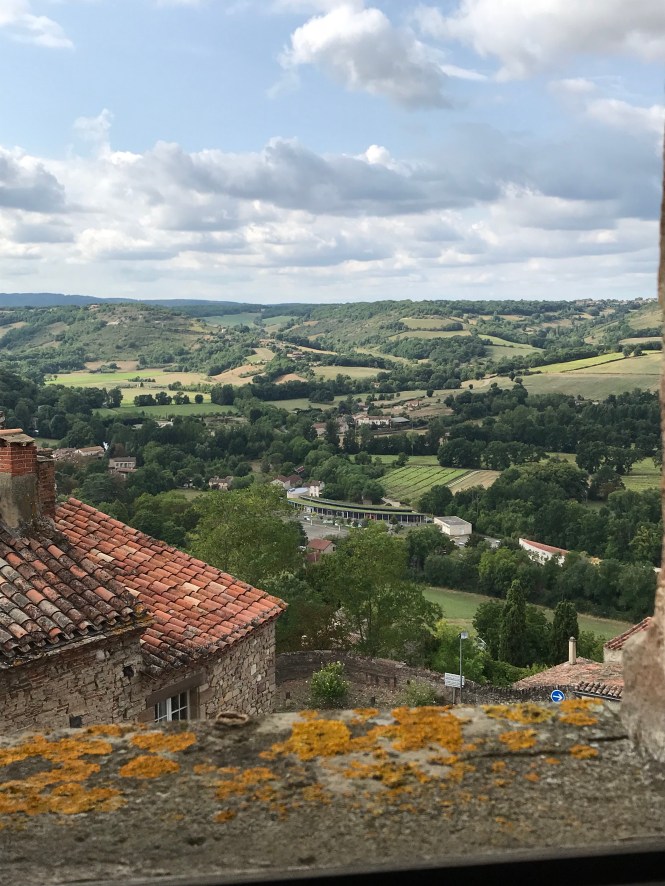
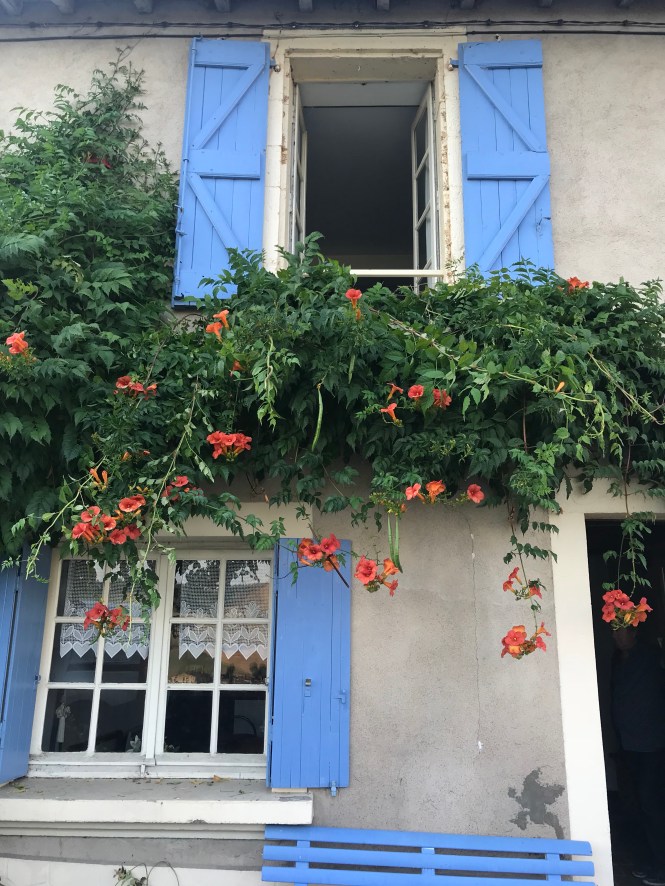
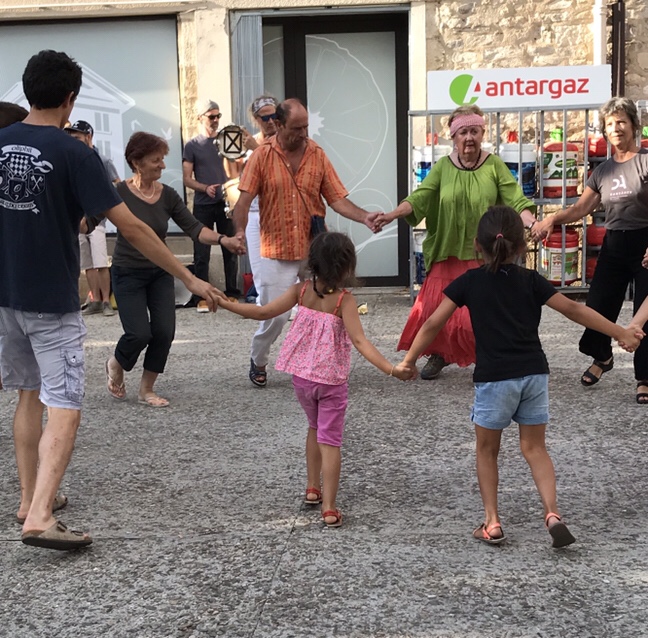 Another view from the window:
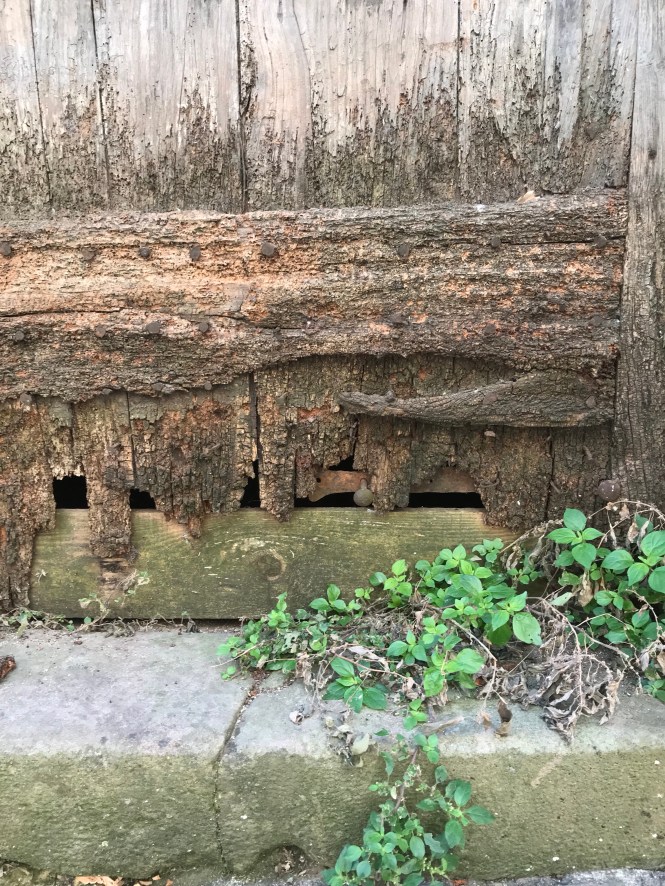

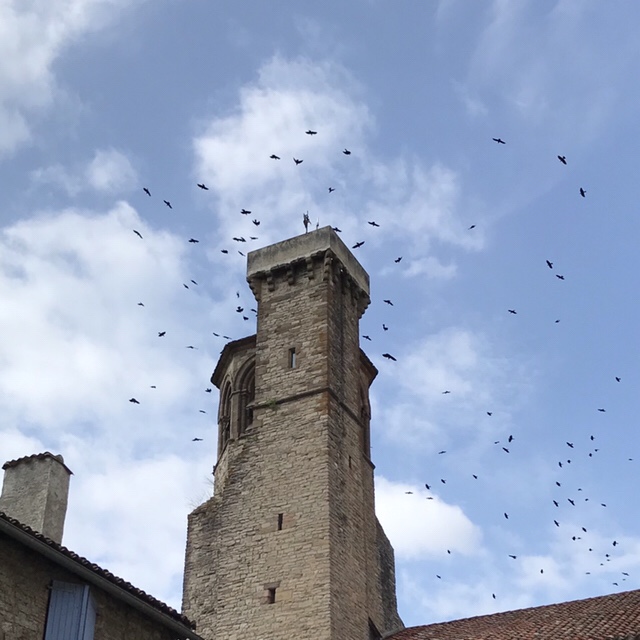




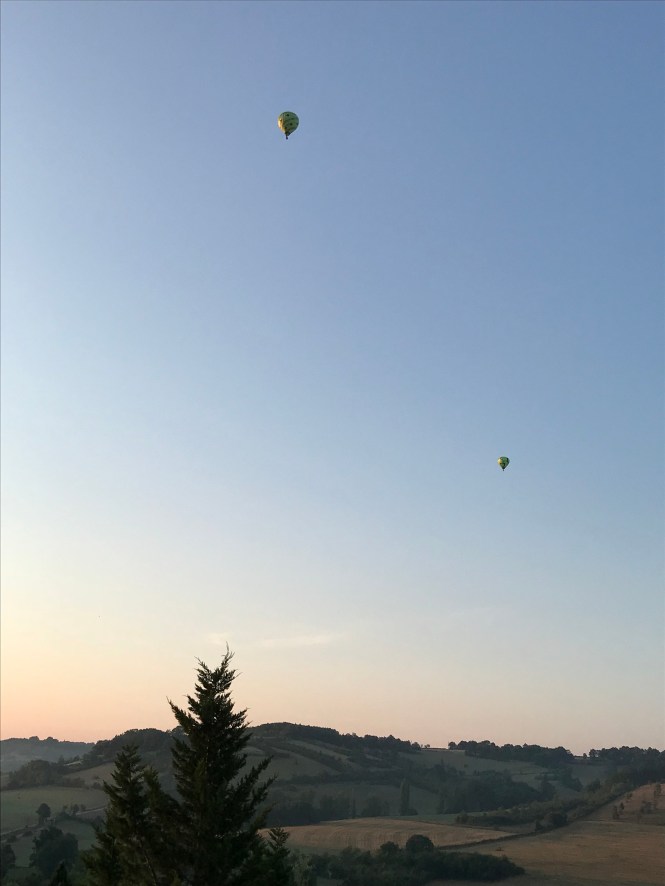
 Who would have guessed that the line to rent a car at the Bordeaux airport would take 2 1/2 hours? Or that not one of the three agents would adjust their customary style to – at the very least – shorten the conversations they usually enjoy with each customer? Imagine how exciting the story of our journey from California would have been. Arnaud at Avis was particularly skilled at drawing out his clients’ stories, but I kept looking over my shoulder at the dozens of families with small children behind us: a sea of impatient grimaces, hungry whines, and tapping feet. I’m not sure it made any difference.


















 Eve Neuhaus